2026-05-24
VIBE Nose Reshaping: Enhancing Both Aesthetics and Function!
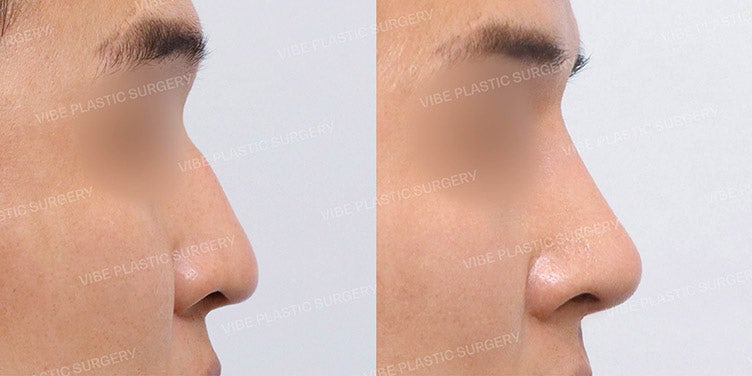
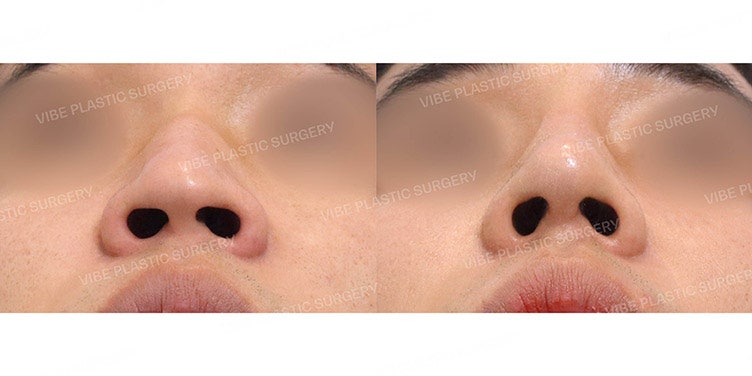
This case study details a 20s male's VIBE nose reshaping to correct a deviated septum, dorsal hump, and drooping tip, while also improving severe rhinitis.
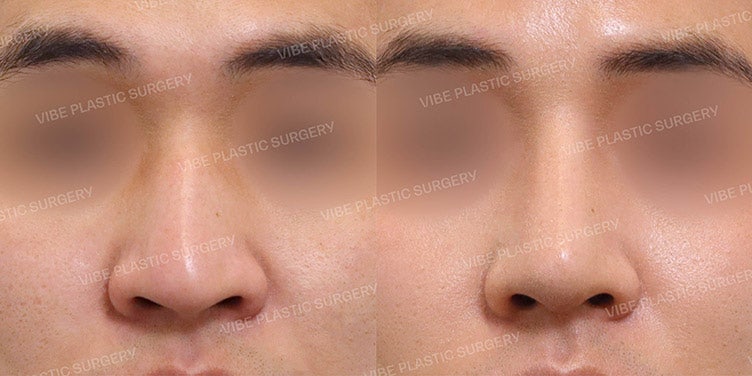
* Basic Information
# Male, 20s
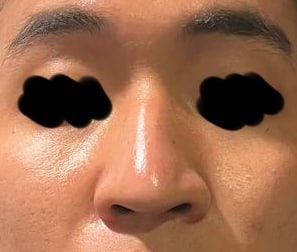
# Nose became significantly crooked and rhinitis worsened after an injury
# Uneven bridge line due to a dorsal hump
# Drooping nasal tip and deviated septum
* Consultation
# The patient was stressed by his crooked nose bridge and unevenness caused by a dorsal hump.
# We planned to improve the overall long and aged appearance of his nose due to the drooping tip.
# We also decided to address the breathing discomfort caused by rhinitis.
* Plan
# Nasal Bridge Reshaping (dorsal hump reduction, crooked nose correction, osteotomy, silicone implant)
# Nasal Tip Reshaping (septal cartilage extension graft)
# Functional Nose Reshaping (deviated septum correction, inferior turbinate resection, internal nasal valve reconstruction)
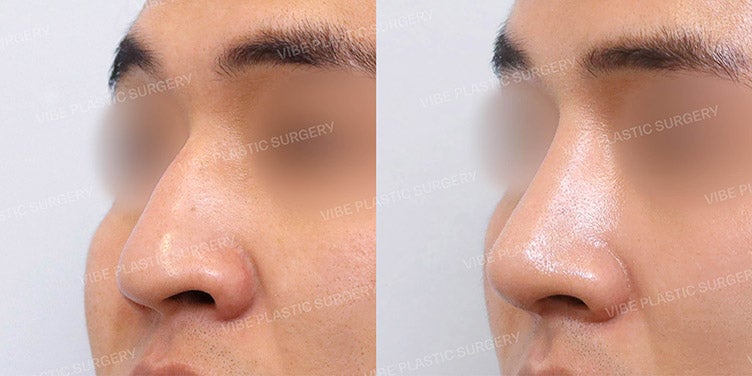
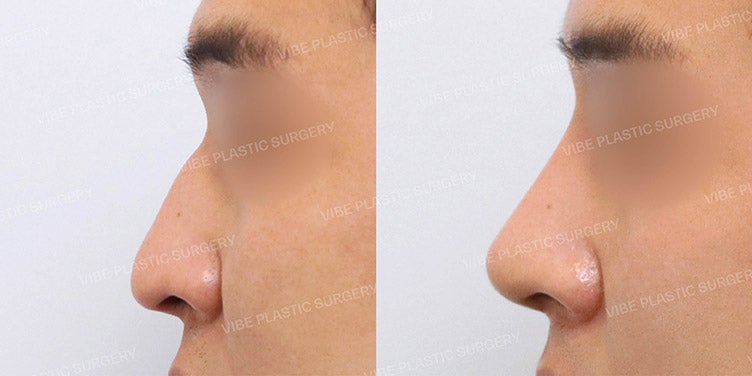
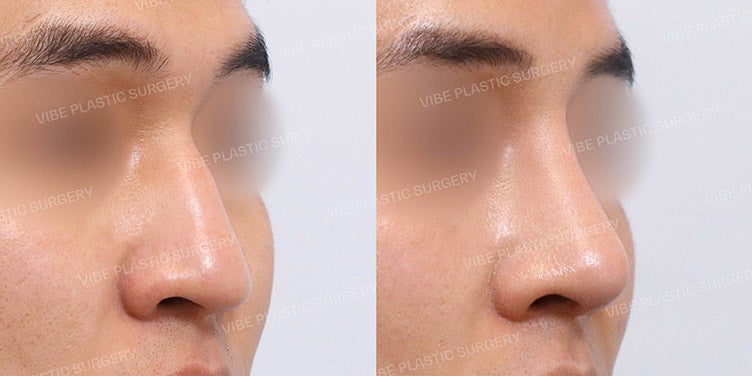
* Post-Surgery Progress
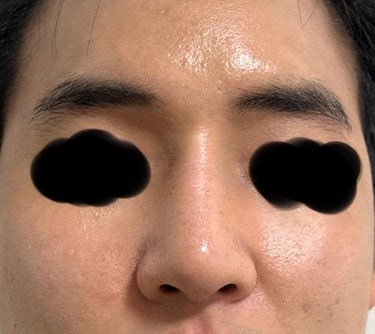
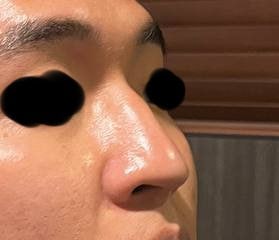
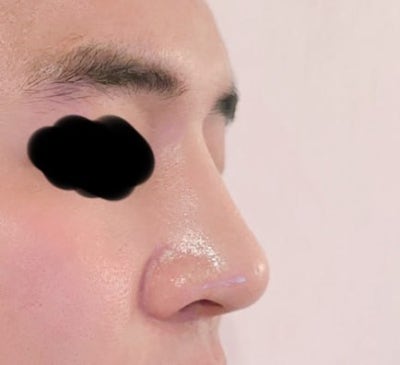
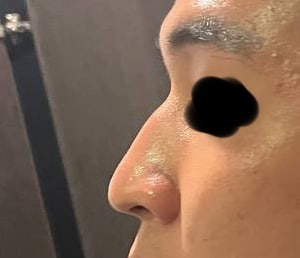
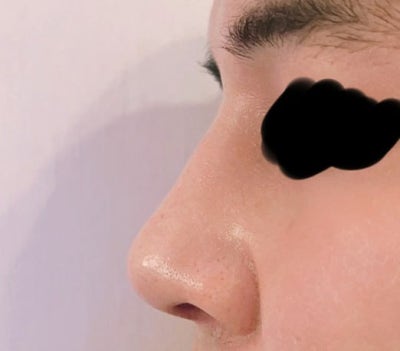
# The crooked nose was corrected, and the dorsal hump was refined.
# We aimed to create a slender and sophisticated look by raising the nasal bridge using osteotomy and an implant.
# To improve the long and aged appearance caused by the drooping nasal tip, we used autologous cartilage to make the tip more defined.
# As the nose became higher, the overall facial line transformed to be more masculine and refined. This case was particularly satisfying as it improved not only the aesthetic aspect but also functionally alleviated rhinitis.
# When undergoing nose surgery, functional aspects must also be considered ~ if you have any breathing discomfort, address it simultaneously!
Consultation and surgery should be performed by a board-certified plastic surgeon!
The VIBE that comes from extensive experience
Yoo Young-moon, Chief Director of VIBE Plastic Surgery
VIBE Plastic Surgery adheres to medical laws. The before and after photos were taken under identical conditions and with the patient's consent. Complications and side effects such as bleeding, inflammation, infection, and asymmetry may vary by individual after surgery and require caution.
Frequently Asked Questions
Can functional problems also be improved during nose surgery?
Yes, it is possible. The patient in this case suffered from breathing difficulties due to rhinitis, and through functional rhinoplasty including septal deviation correction, inferior turbinate resection, and internal nasal valve reconstruction, they achieved both aesthetic improvement and a nose that is comfortable to breathe with.
Can a crooked nose and a hooked nose also be corrected?
Yes, correction is possible. In this case, the uneven bridge line was improved through crooked nose correction and hump reduction, and the bridge was raised using osteotomy and silicone implants to create a sophisticated impression.
Can a drooping nasal tip also be improved with surgery?
Yes, it can be improved. The patient in this case had a drooping nasal tip that made their nose look long and old. To improve this, the nasal tip was made prominent through septal cartilage extension grafting.
How can my impression change after nose surgery?
Your impression can be greatly improved after nose surgery. The 20-year-old male patient in this case was highly satisfied as his nose bridge became higher and his nasal tip became prominent, transforming his overall facial line to be more masculine and sophisticated.
What surgeries are included in functional rhinoplasty for rhinitis improvement?
Functional rhinoplasty for rhinitis improvement may include septal deviation correction, inferior turbinate resection, and internal nasal valve reconstruction. In this case, the patient's breathing difficulties were resolved through these surgeries.
What materials are used for nose surgery?
In this case, silicone implants were used for bridge augmentation, and septal cartilage extension grafting was used for nasal tip surgery. Various materials can be used depending on the patient's condition and plan.