2026-05-24
Get Excited! A Brand New Me After LipoSound Liposuction ~ :)
A 30-year-old woman achieves a sharp jawline and eliminates her double chin using LipoSound ultrasound liposuction, resulting in faster recovery and skin tightening.
* Basic Information
# Female in her 30s
# Despite consistent dieting, she is dissatisfied with persistent double chin fat and a ‘heavy’ appearance when viewed from the front.
* Consultation
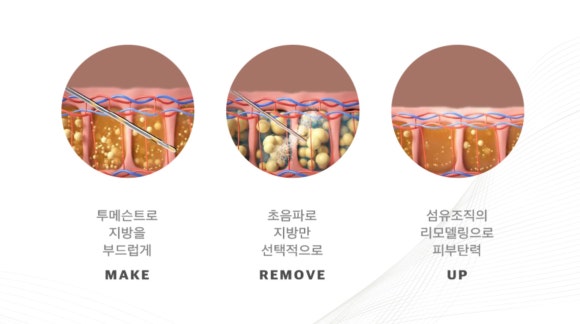
# By using ultrasound, subcutaneous fat can be broken down into fine particles. (Think of it as turning orange pulp into orange juice). Once liquefied, the fat can be expressed through small openings or removed using a very fine cannula, allowing for highly effective fat removal.
# If you are curious about how LipoSound performs liposuction, please check out the YouTube link below first ^^
* Plan
# Ultrasound Liposuction (Double Chin & Jawline)
* Post-Operative Progress
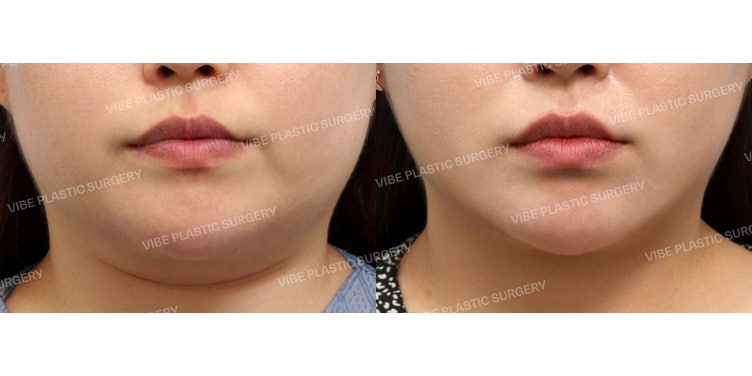
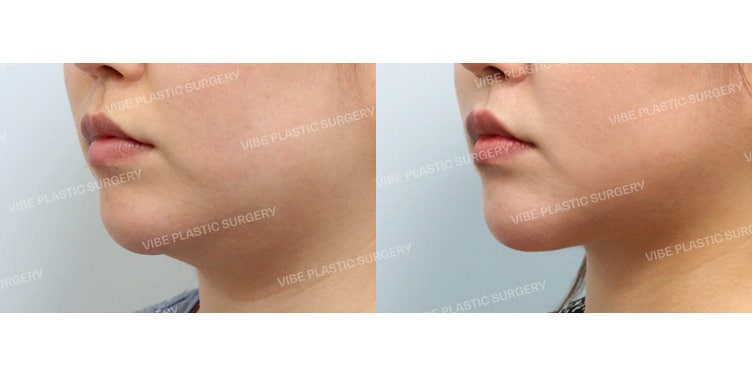
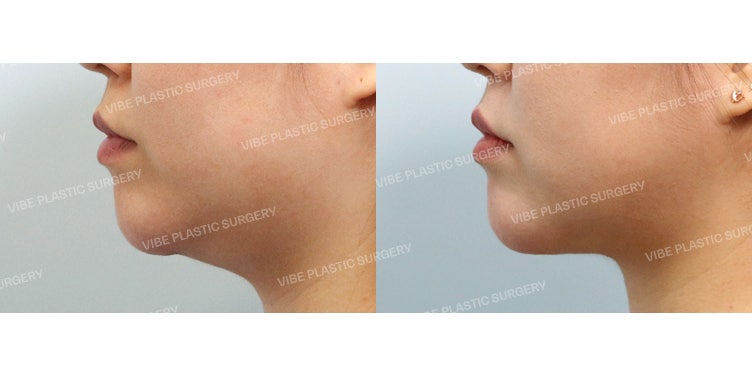
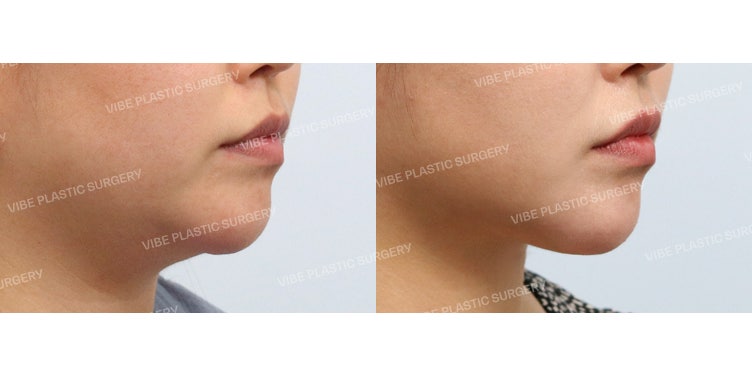
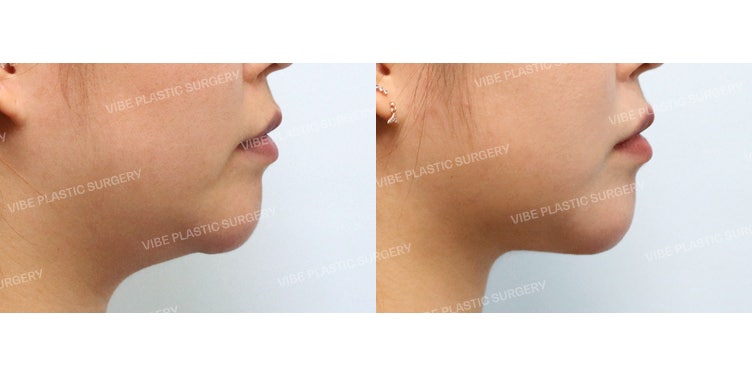
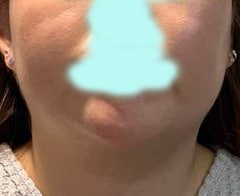
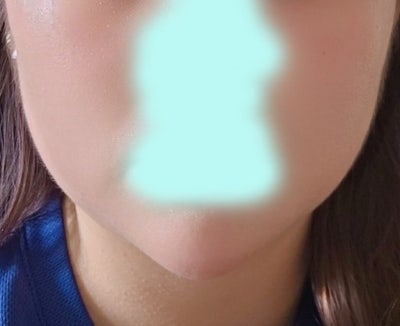
# The blunt, heavy look has disappeared thanks to the jawline and double chin liposuction!
# ‘LipoSound’ can be understood as a device that uses ultrasound to emulsify fat. Because it liquefies fat particles—like turning orange pulp into juice—it offers several benefits:
1. Much smoother process – Fat can be expressed like water without applying significant force, and it can be suctioned out using only a small cannula. This results in much less irritation, leading to faster recovery from bruising and swelling. Consequently, bio-bond (post-surgical adhesions) is also significantly reduced. 2. Because ultrasound is emitted beneath the dermis, there is less skin sagging after the procedure, and additional skin elasticity and tightening effects can be achieved.
# Bio-bonds may form starting about two weeks after surgery, which might feel uncomfortable. During this time, applying warm compresses and stretching will help them resolve faster. Please note that we also provide softening injections during the one-month follow-up if needed!
Consultations and surgeries should be performed by a board-certified plastic surgeon!
The VIBE that comes from rich experience.
Vibe Plastic Surgery, Chief Surgeon Young-moon Yoo
Vibe Plastic Surgery complies with all medical laws. These before-and-after photos were taken under identical conditions with the patient’s consent. Complications and side effects such as bleeding, inflammation, infection, and asymmetry may occur depending on the individual, so caution is required.
Frequently Asked Questions
What is Lipo Sound liposuction?
Lipo Sound liposuction is a procedure that uses ultrasound to liquefy and remove fat. It makes fat particles, which are like orange segments, smooth like juice, allowing for effective suction even with a small cannula, and has the advantage of faster recovery due to less irritation during the procedure.
What are the advantages of Lipo Sound liposuction?
Lipo Sound liposuction has several advantages. First, because it liquefies and gently removes fat, recovery from bruising and swelling is faster. Second, by applying ultrasound under the dermis, there is less skin sagging after the procedure, and additional skin elasticity and tightening effects can be obtained.
How long is the recovery period after Lipo Sound liposuction?
The recovery period varies from person to person, but recovery from bruising and swelling after the procedure is relatively fast. Biobond may appear after about 2 weeks, but managing it with warm compresses and stretching can help, and an injection to release it may be given at the one-month mark.
Which areas can be improved with Lipo Sound liposuction?
This procedure is particularly effective for improving double chin and jawline. The text shows a case where a 30-year-old woman's double chin and the puffy appearance when viewed from the front were improved, confirming that the dull feeling disappeared and the jawline was refined.
How should I manage biobond if it develops after the procedure?
Yes, biobond may develop after about 2 weeks post-procedure, which can be uncomfortable. In such cases, applying warm compresses and stretching helps it resolve faster. Additionally, at the one-month follow-up, the hospital may administer an injection to release the biobond.