2026-05-22
Partial Incision Ptosis Correction + Lower Eyelid Fat Removal and Micro Fat Grafting
A teenage patient with asymmetric buried-suture double eyelids, weak levator function, and sunken dark under-eyes underwent partial incision ptosis correction combined with lower eyelid fat removal and micro fat grafting.
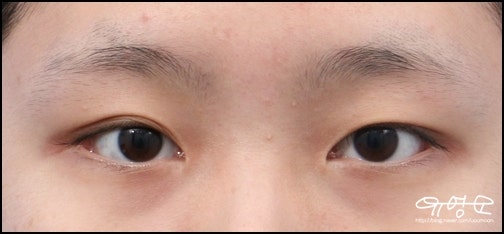
* Basic Information
Teenage female
Eye-opening strength: Moderate
Skin laxity: 2–3 mm
Skin thickness: Moderate
Approximately two years ago she had non-incision (buried suture) double eyelid surgery, but the result came undone asymmetrically.
Her under-eye area looks dull and sunken — it gets noticeably worse when she is sleep-deprived.
Goals: Natural, crisp-looking eyes that hold their crease. She also wants to address her under-eye dark circles.
* Consultation
1. There is left–right asymmetry, and weak eye-opening strength is leaving the eyes looking undefined. Ptosis correction will be necessary.
2. When buried sutures come undone, there is always an underlying reason — either the weak levator function was overlooked, or the skin has strong resistance to the sutures. To prevent recurrence, adding a partial incision to create greater adhesion is the recommended approach.
3. The under-eye area has a reddish, sunken appearance. Addressing the under-eye fat while simultaneously performing micro fat grafting can brighten the skin tone as well.
* Treatment Plan
Partial incision ptosis correction
Lower eyelid fat removal + micro fat grafting
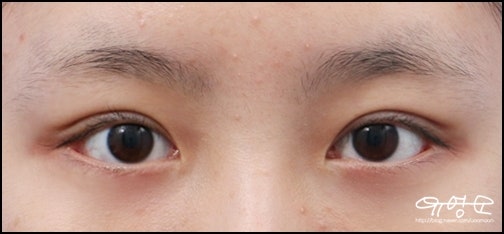
* Post-operative Progress
The double eyelid line is now symmetrical and sharply defined, and the ptosis correction has turned out beautifully — giving her crisp, clear eyes. The redness beneath the eyes has also resolved very nicely. :)
* Key Points
1. When previous surgery comes undone, there is always a reason. Combining ptosis correction with a partial or full incision technique creates lasting adhesion so the crease stays clear and defined. :)
2. Under-eye fat grafting — when done 'well' and not excessively — can brighten the skin tone without leaving palpable lumps. Careful, selective patient assessment is essential for a beautiful outcome!
For consultations and surgery, always see a board-certified plastic surgeon!
Wishing you both health and beauty today. :)
Straight Thinking, Straight Plastic Surgery — Yoo Young-moon
Post-operative complications and side effects such as bleeding, inflammation, infection, and asymmetry may vary by individual and require careful attention.
Frequently Asked Questions
Why do my double eyelids loosen after non-incisional double eyelid surgery?
There are several reasons why double eyelids may loosen after non-incisional (buried suture) surgery. This can happen if the strength of your eye-opening muscle is weak or if your skin has strong resistance. In such cases, adding a partial incision to create more adhesion can help prevent loosening and maintain a clear line.
In what cases is partial incision ptosis correction necessary?
Partial incision ptosis correction is necessary when the eye-opening strength is weak, making the eye line unclear, or when a previous non-incisional surgery has loosened, causing asymmetry. This method helps strengthen adhesion to prevent the line from loosening and is effective in creating clear and symmetrical eyes.
What are the solutions when the under-eye area looks dull and hollow?
When the under-eye area looks dull and hollow, you can consider under-eye fat removal and micro-fat grafting together. By addressing under-eye fat and performing micro-fat grafting, you can expect the skin tone to brighten, and redness can also be improved.
What are the advantages of under-eye micro-fat grafting?
When performed "well" without overdoing it, under-eye micro-fat grafting has the effect of brightening skin tone without creating lumps. It helps improve a hollow impression and naturally fills the under-eye area, creating a more vibrant look.
What is the most important point when consulting for plastic surgery?
When consulting for plastic surgery, it is important to receive consultation and surgery from a board-certified plastic surgeon. Accurately understanding your individual eye condition and requirements, and establishing an appropriate surgical plan, is essential for achieving satisfactory results.