2026-05-24
Correction of Dragon Nose and Drooping Columella
A case study of a 30-year-old female patient who underwent non-implant revision rhinoplasty to correct a drooping columella and excessive nostril exposure.
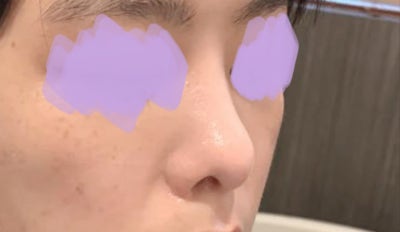
* Basic Information
# Female in her 30s
# Medical History: Previous non-implant tip surgery
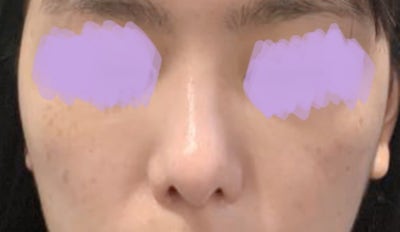
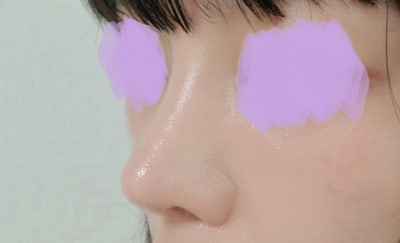
# Concerns: Excessive nostril exposure (dragon nose), drooping columella making the nose look long and blunt.
* Consultation
# The patient previously had non-implant rhinoplasty but wanted to improve the blunt tip and the way the nostrils appeared flared or lifted (dragon nose).
# We planned to correct the drooping columella and reduce the excessive nostril visibility and drooping tip.
# Since the nasal bridge was already high, we decided not to use any implants.
* Surgical Plan
# Non-implant Tip Revision
- Bulbous nose correction
- Dragon nose correction
- Drooping columella correction
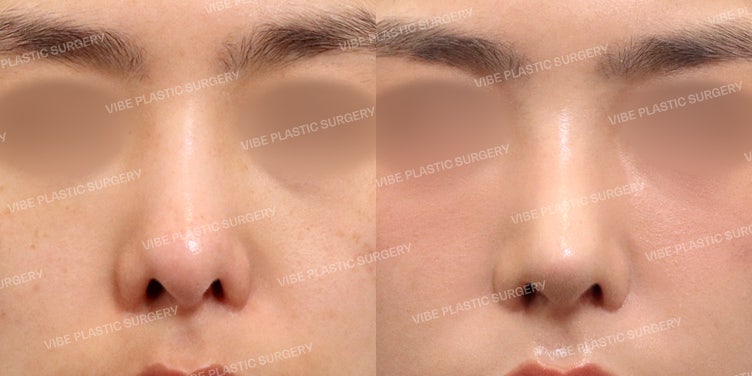
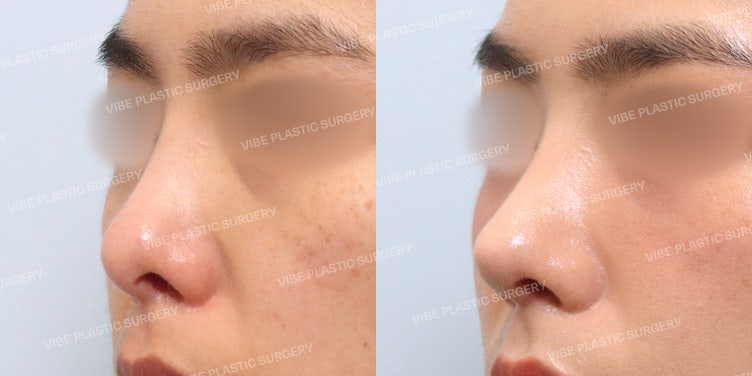
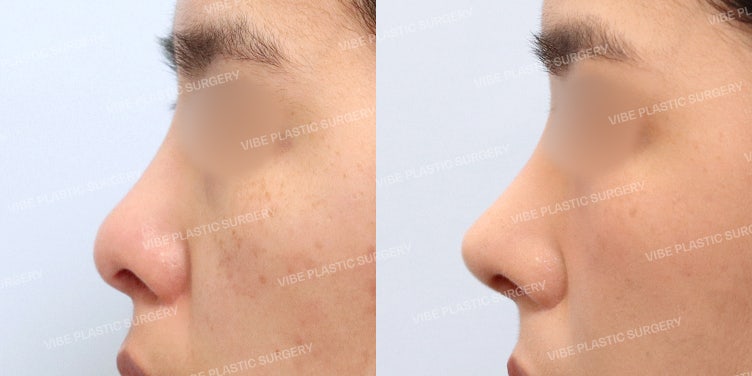
* Post-operative Progress
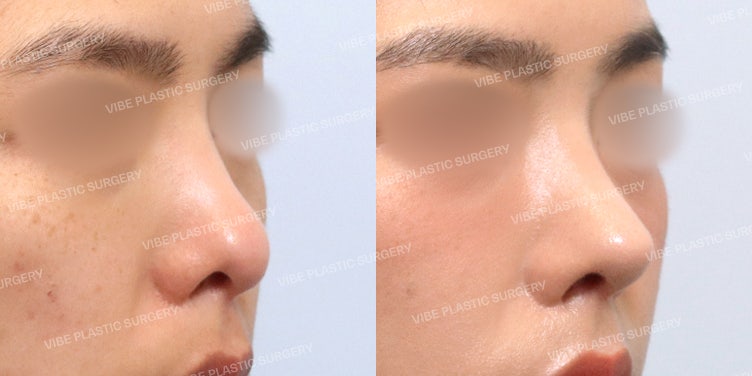
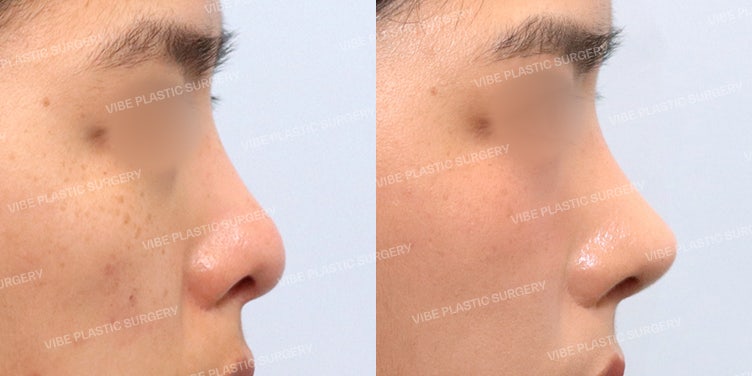
# Intraoperative findings revealed that the septum was fixed too low and in a drooping position. This was identified as the cause of the drooping columella, and its position was corrected.
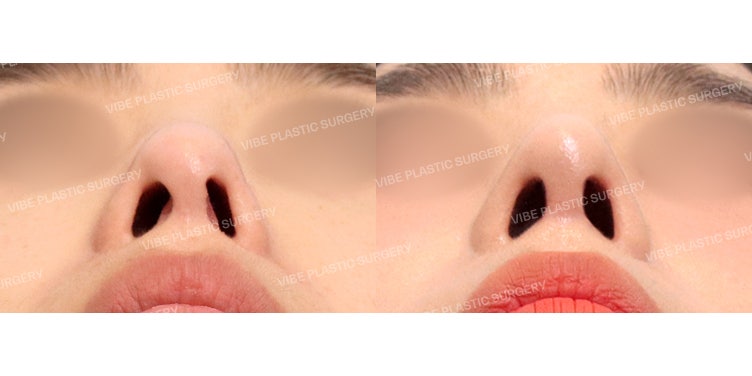
# As the blunt tip was refined, a noticeable reduction in nostril exposure can be observed.
# Excessive nostril visibility can make the nose look short and create an unfavorable impression. It is crucial to reduce this visibility through accurate cause analysis.
# In this case, the nostril exposure was significantly reduced through columella correction and alar cartilage repositioning, leading to a satisfying result. If ‘dragon nose’ symptoms persist after such procedures, we recommend ‘alar rim lowering’ after monitoring the progress.
What if your nostrils are too visible? (1) If the alar rims are retracted -> Alar rim lowering (2) If the columella is drooping -> Columella correction (3) If the nostrils are wide -> Alar reduction
Consultations and surgeries should be performed by a board-certified plastic surgeon!
The VIBE that comes from rich experience.
Dr. Yoo Young-moon, Representative Director of VIBE Plastic Surgery
VIBE Plastic Surgery complies with all medical laws. These before-and-after photos were taken under the same conditions with the patient’s consent. Complications and side effects such as bleeding, inflammation, infection, and asymmetry may occur depending on the individual, so caution is advised.
Frequently Asked Questions
What is a 'dragon nose'?
A 'dragon nose' refers to a case where the nostrils are overly exposed. When the nostrils are very visible, the nose can appear short or give an unfavorable impression, so correction may be considered.
How is a drooping columella corrected?
A drooping columella can be improved through columella correction. In this case, it was determined that the columella was drooping due to the septum being fixed too low, so the columella was straightened by correcting the septal position.
What are the causes of overly exposed nostrils?
There are various causes for overly exposed nostrils. These include cases where the alar wings are lifted, the columella is drooping, or the alar wings are flared, and depending on each cause, correction can be done through alar rim lowering, columella correction, or alar reduction.
Is 'dragon nose' correction possible with non-implant tip revision rhinoplasty?
Yes, it is possible. In this case, after previous non-implant nose surgery, the 'dragon nose' and blunt nasal tip were improved by correcting the septal position and repositioning the alar cartilage to reduce nostril exposure and improve nose shape.
Is it necessary to use a dorsal implant during tip revision rhinoplasty?
No, it is not always necessary. If the bridge of the nose is already high, sufficient improvement can be achieved with tip revision rhinoplasty alone without using an implant. This case was also performed without a dorsal implant.
Can a 'dragon nose' remain after surgery?
Yes, it can rarely happen. In such cases, the text mentions that additional corrective methods like 'alar rim lowering' may be considered after observing the progress.