2026-05-24
Rhinoplasty Case: Resolving a Bulbous Nose After Filler and Hiko Thread Lift (by Dr. Young-moon Yoo, VIBE Plastic Surgery)
A case study on correcting a bulbous and drooping nose using costal cartilage after unsatisfactory results from fillers and Hiko thread lifts.
Hello.
I am Dr. Young-moon Yoo, Director of VIBE Plastic Surgery.
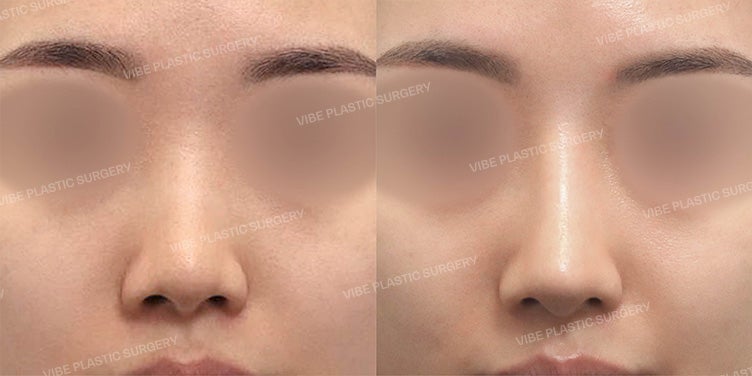
Today, I would like to introduce a case of rhinoplasty using costal cartilage for a patient who visited us after being dissatisfied with the results of previous nose fillers and Hiko (thread lift) procedures.
✔ Pre-operative Concerns: Why was the patient dissatisfied?
The patient had already undergone bridge filler and Hiko (thread lifting) procedures, but remained highly dissatisfied because:
✔ The nose still appeared bulbous
✔ The nasal tip looked droopy
✔ The overall impression was that the nose looked too large
👉 While fillers and Hiko can help temporarily supplement height and support, they often have limitations in resolving issues like a bulbous tip, drooping tip, or the nasolabial angle.
✔ The Solution: Foreign Body Removal + Costal Cartilage Rhinoplasty
In this case, I determined that a structural redesign was necessary rather than simple additional procedures.
🔹 1. Dissolving Bridge Filler
Existing filler can make the nose line look dull and heavy, so it was safely removed using filler-dissolving injections.
🔹 2. Hiko Thread (Foreign Body) Removal
Remaining threads can cause inflammation, adhesions, and asymmetry, so they were cleanly removed during surgery.
👉 Accurate and stable rhinoplasty is only possible after clearing out these foreign substances.
✔ Why Costal Cartilage Was Chosen
The core of this surgery was improving the nasal tip structure using donated costal cartilage.
Costal cartilage offers:
Availability of sufficient quantity
Strong structural support
Great advantages for correcting bulbous tips, drooping tips, and the nasolabial angle
👉 It helps to firmly elevate a drooping tip and ensures it does not sag again over time.
✔ Surgery Summary
The following corrections were performed in this case:
✔ Bulbous tip correction using costal cartilage / Drooping tip correction (strengthening the tip support structure) / Nasolabial angle correction for a sophisticated profile
✔ Use of a natural silicone implant for the bridge
👉 Moderate height for the bridge & firm support for the tip
👉 The goal was an overall natural and refined nose line.
✔ Why Silicone Implants Were Used Together
Once the filler is dissolved and threads are removed, the bridge of the nose often becomes lower and more uneven than expected.
In such cases, using a natural, thin silicone implant can actually result in a cleaner and more stable line.
👉 The important thing is not a blind preference for ‘no-implant’ vs. ‘implant,’ but rather where and what materials are used.
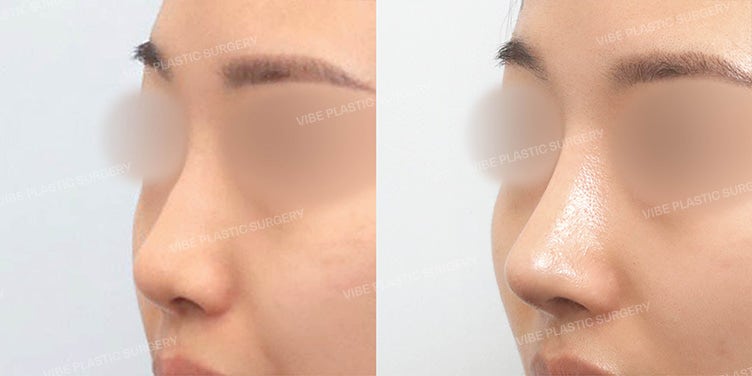
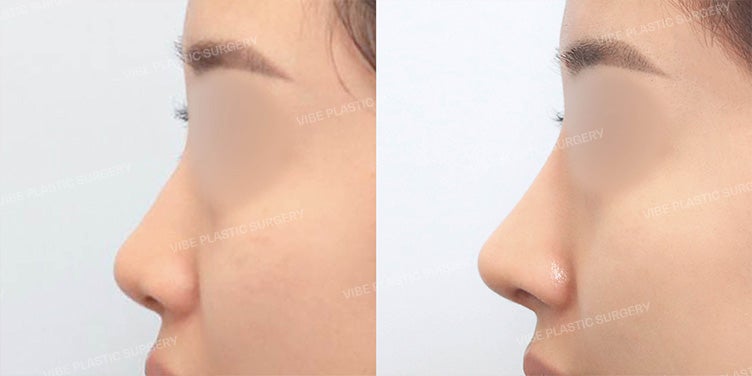
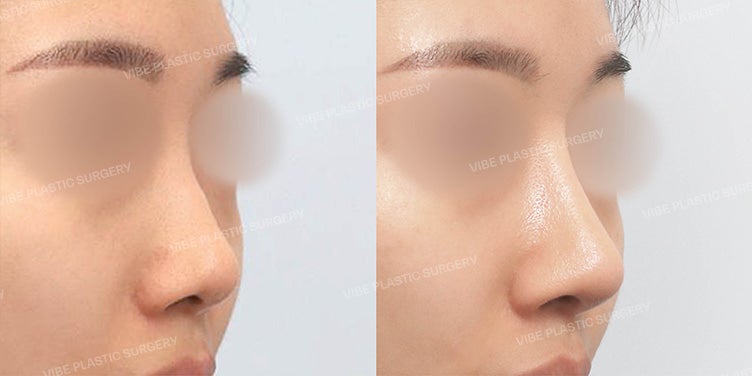
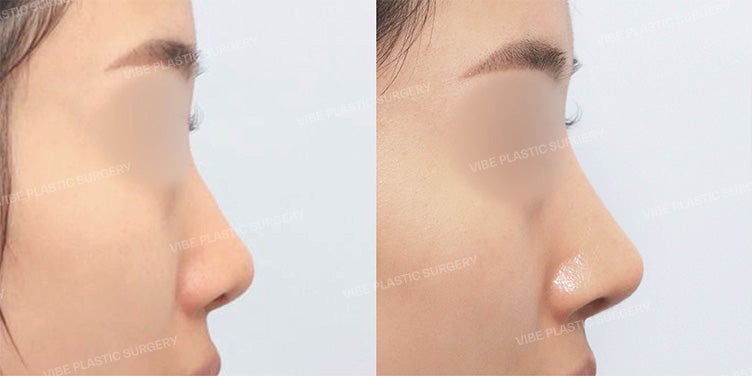
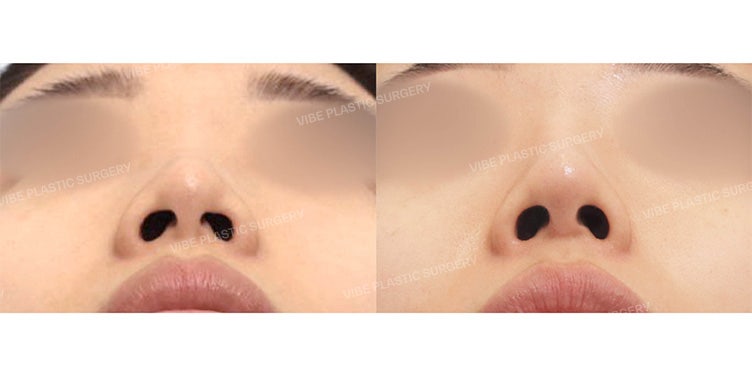
✔ Post-operative Changes
After the surgery:
The bulbous impression was improved
The drooping tip became sharp and defined
The nasolabial angle was refined, completing a sophisticated side profile
The ‘stuffy and heavy’ feeling experienced with fillers and Hiko disappeared, replaced by a much lighter and more natural nose.
✔ Recommended For:
Those who have had fillers or Hiko but are still unhappy with their nose
Those concerned about a bulbous tip + drooping tip
Those who want fundamental nose improvement along with foreign body removal
Those who want long-lasting results from a single surgery
Closing Thoughts
While nose fillers and Hiko are convenient procedures, they do not solve all nasal issues. Having already had these procedures does not necessarily put you at a disadvantage.
👉 With accurate removal and a proper revision surgery plan, you can achieve highly satisfactory results.
At VIBE Plastic Surgery, we perform customized rhinoplasty that takes your entire procedure history into account.
Consultations and surgeries should be performed by a board-certified plastic surgeon!
The VIBE that comes from rich experience
Dr. Young-moon Yoo, Representative Director of VIBE Plastic Surgery
VIBE Plastic Surgery complies with all medical laws. These before-and-after photos were taken under the same conditions with the patient’s consent. Complications and side effects such as bleeding, inflammation, infection, and asymmetry may occur after surgery and vary by individual; caution is required.
Frequently Asked Questions
Can my nose still look blunt after filler or Hiko procedures?
Yes, it is possible. While fillers and Hiko can help with temporary height and support, they have limitations in fundamentally solving issues like a bulbous nose, drooping nasal tip, or nasolabial angle problems, which can still make the nose appear blunt or large.
What are the main reasons for using costal cartilage in rhinoplasty?
Costal cartilage can provide a sufficient amount and offers strong support. It is particularly advantageous for correcting a bulbous nose, a drooping nasal tip, and the nasolabial angle, effectively raising a drooping nasal tip and helping it stay elevated over time.
How are existing nose fillers or Hiko threads handled during surgery?
Existing fillers, which can make the nose line dull and heavy, are safely removed with filler-dissolving injections. Remaining Hiko threads can cause inflammation, adhesion, and asymmetry, so they are thoroughly removed during surgery before proceeding with accurate and stable rhinoplasty.
Why is a silicone implant sometimes used together with costal cartilage in rhinoplasty for the nasal bridge?
This is because dissolving fillers and removing threads can make the nasal bridge lower and uneven. In such cases, using a natural and thin silicone implant can actually help maintain a clean and stable line, so they are sometimes used together.
Who should consider rhinoplasty if they are unsatisfied after filler or Hiko procedures?
It is recommended for those who are still unhappy with their nose after fillers or Hiko, those concerned about a bulbous nose and drooping nasal tip, those who want fundamental nose improvement along with foreign body removal, and those who desire long-lasting results from a single surgery.