2026-05-23
Lower Blepharoplasty
Case report of lower blepharoplasty for a man in his 50s with moderate under-eye fat bulging, corrected via fat repositioning without aggressive skin excision.
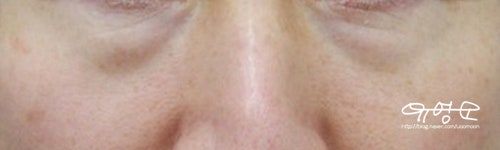
* Basic Information
· Age: 50s male
· Under-eye fat: Moderate puffiness
· Skin condition: Mild laxity with good overall elasticity
· Chief complaint: 'My under-eyes look puffy and untidy.'
* Consultation
· This gentleman in his 50s is primarily troubled by under-eye fat bulging.
· Fat repositioning will create clean, smooth lower eyelids.
· Aggressive skin excision raises the risk of ectropion (lower eyelid eversion).
* Plan
Lower Blepharoplasty
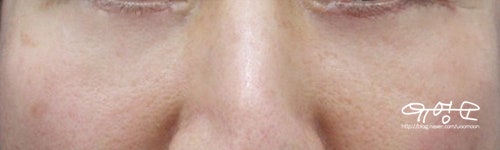
* Post-operative Progress
· The under-eyes look smooth and clean — excellent results :)
* Key Points
· Trying to fix sagging lower eyelid skin by removing too much tissue can cause ectropion (lower eyelid eversion). This not only looks unsightly but causes severe eye irritation and significant discomfort. Excessive skin removal must always be avoided!
Consult and surgery with a board-certified plastic surgeon!
Stay healthy and beautiful today :)
Sound Principles, Sound Plastic Surgery — Yu Young-moon
Post-operative complications such as bleeding, inflammation, infection, and asymmetry may occur and can vary by individual; careful attention is required.
Frequently Asked Questions
In what cases is lower blepharoplasty necessary?
Lower blepharoplasty can primarily be considered when the under-eye area appears messy due to bulging under-eye fat or sagging skin. It can be particularly effective for men in their 50s who have moderately bulging under-eye fat and slight skin sagging.
What is the most important consideration during lower blepharoplasty?
The most important consideration during lower blepharoplasty is to avoid excessive skin excision. Excising too much skin can lead to ectropion (eversion of the lower eyelid), which is aesthetically unpleasing and can cause significant discomfort such as dry eyes, so caution is necessary.
What is under-eye fat repositioning?
Under-eye fat repositioning is a surgical method that, instead of simply removing the fat causing the under-eye bulge, redistributes it to the hollow areas under the eyes to create a smooth and clean under-eye area. This helps create a natural under-eye line.
Why does ectropion occur after lower blepharoplasty?
Ectropion can occur during lower blepharoplasty when there is an attempt to excessively remove sagging skin under the eyes. This is a phenomenon where the lower eyelid turns outwards, and in severe cases, it can cause severe dry eyes and poor aesthetics, making precise control of the amount of skin excised very important during surgery.
What should be checked during a lower blepharoplasty consultation?
During a lower blepharoplasty consultation, it is important to receive an accurate diagnosis of the degree of under-eye fat bulging, skin sagging, and elasticity. Furthermore, it is crucial to thoroughly discuss surgical plans, such as fat repositioning, with a plastic surgeon to create a clean under-eye area while minimizing the risk of ectropion.