2026-05-25
1. Buccal Fat Removal
Learn about buccal fat removal, including its anatomical structure, surgical methods, and potential side effects for a slimmer facial profile.
Hello.
I am Young-moon Yoo, the Chief Director of Vibe Plastic Surgery.
Excessive fat in both the cheeks and the double chin can make the face look larger and give off a dull, heavy impression.
That is why there is a lot of interest and many inquiries regarding facial fat removal.
Today, we will take a closer look at ‘buccal fat’ in particular.
1. Anatomical Knowledge
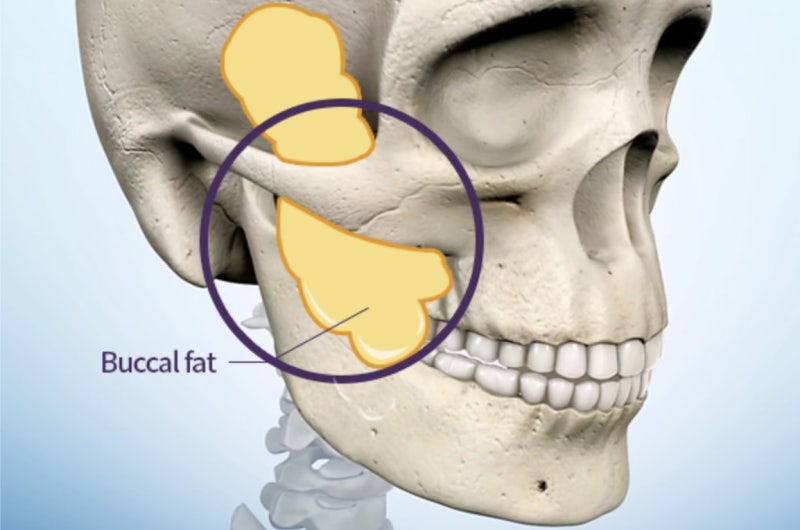
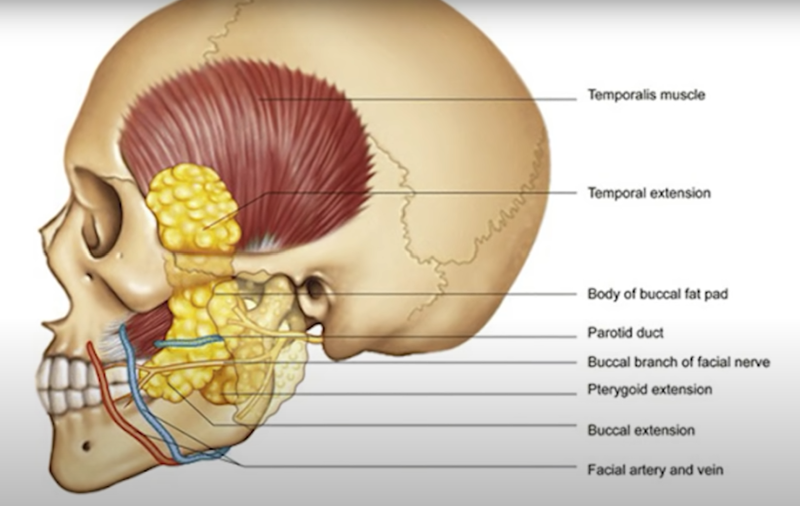
As shown in the illustration above, buccal fat is located in the cheek area and covers a much wider range than one might think.
Furthermore, it is surrounded by numerous blood vessels, nerves, and salivary gland ducts.
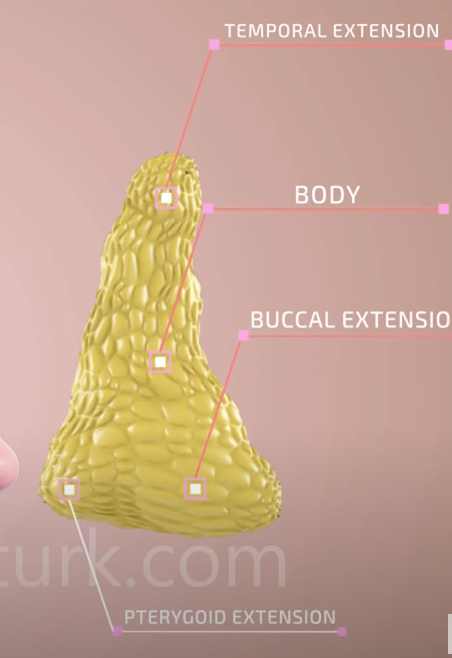
Through surgery, we primarily remove the area corresponding to the buccal extension of this wide fat pad.
2. Surgical Method
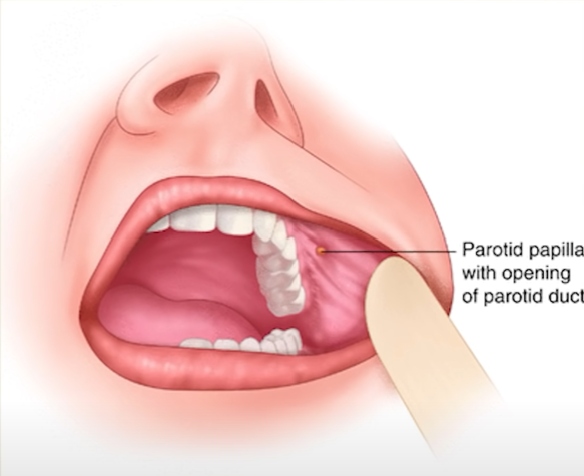
1. Identify the location where the salivary gland duct emerges. If damaged, it can cause problems with saliva secretion and lead to inflammation, so the incision must be made while avoiding this area.
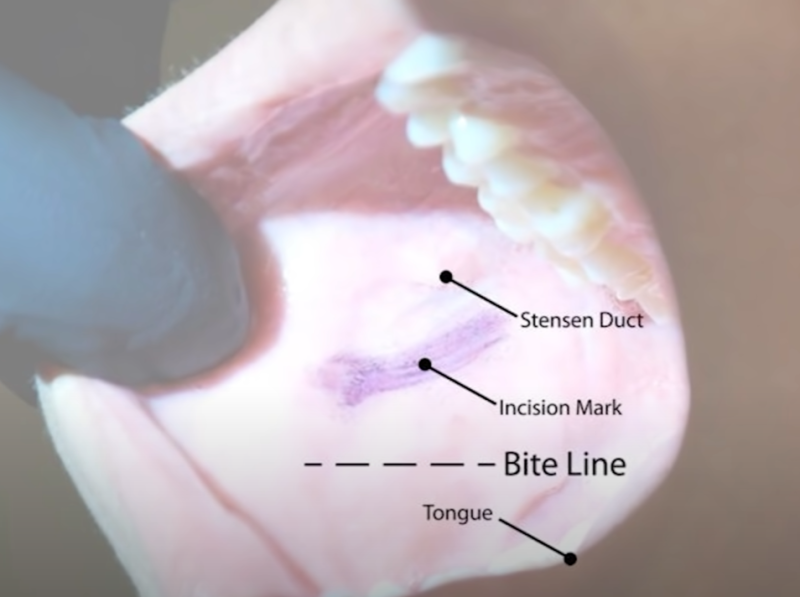
2. An incision is made below that area to locate the fat pad. It can usually be found easily within about a minute.
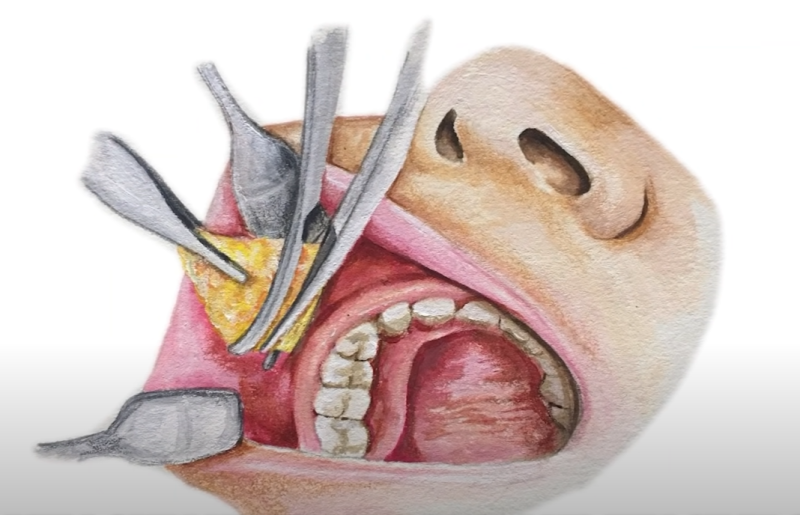
3. Afterward, a portion of the excess fat is removed, bleeding is controlled, and the surgery is completed.
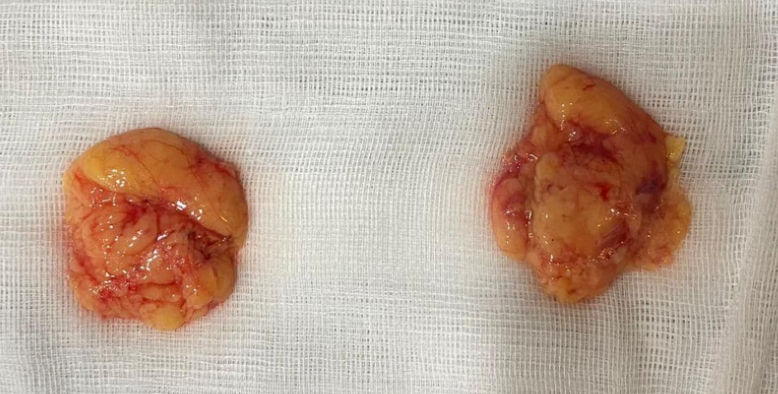
3. Effects and Side Effects

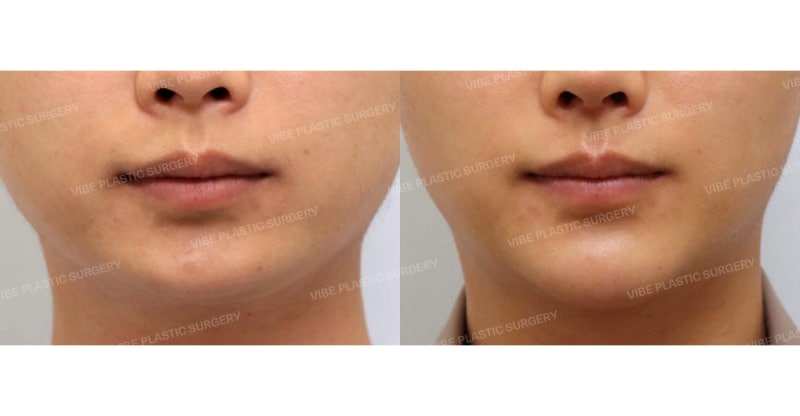
As shown in the figure above, the goal and effect of the surgery is to reduce the volume of fat in both cheeks.
The most important factor is identifying good indications—in other words, carefully selecting whether the patient will actually benefit from the surgery.
# Side Effect (1)
If a large amount of buccal fat is removed from someone who does not have much cheek fat to begin with, the cheeks may appear hollow, potentially giving an aged impression. Avoiding this side effect is paramount.
# Side Effect (2)
As we have seen, many blood vessels, nerves, and salivary ducts are located around the fat pocket. These structures must be carefully dissected to avoid damage. Because the field of vision is narrow, excessive dissection or removal can damage these structures, leading to problems such as temporary facial paralysis, salivary secretion disorders, and inflammation of the salivary glands.
As with all things, one must remember that overdoing it can lead to results worse than not doing it at all! If these side effects are carefully avoided, satisfying results can be achieved.
4. Results
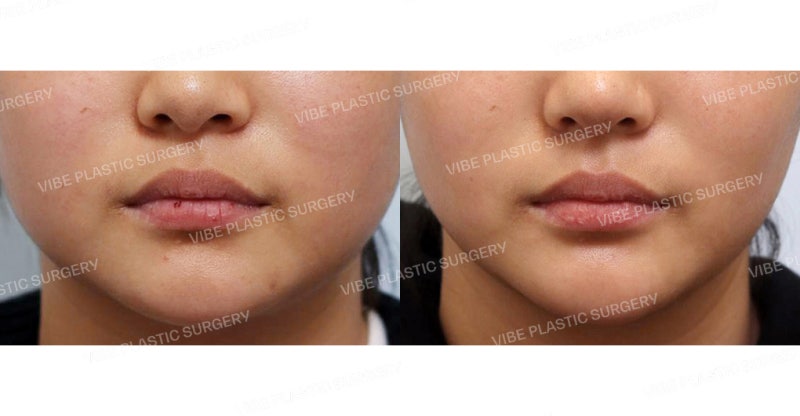
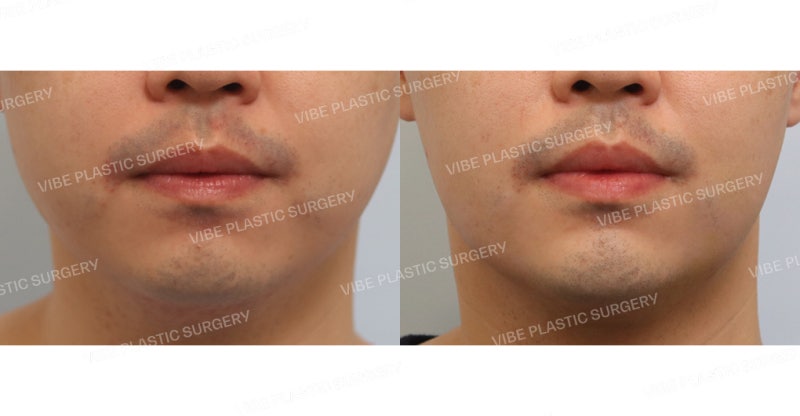
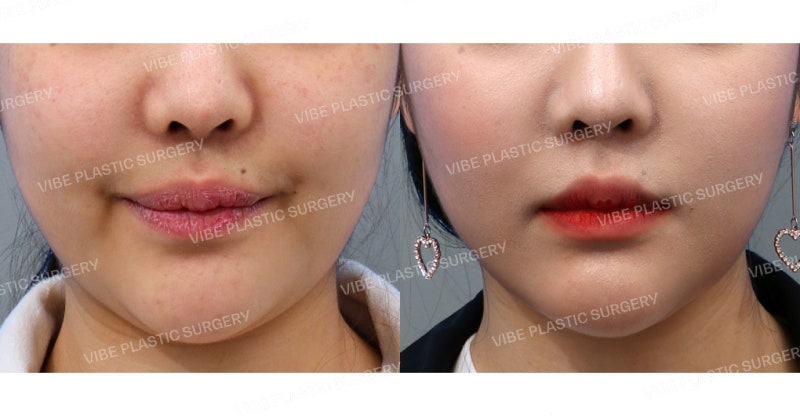
Consultations and surgeries should be performed by a board-certified plastic surgeon!
Wishing you both health and beauty today :)
Right Thinking, Right Plastic Surgery - Young-moon Yoo
Frequently Asked Questions
What areas are removed during buccal fat removal surgery?
Yes, it primarily removes the 'buccal extension' part of the large fat pads located mainly in the cheek area. The main goal of the surgery is to reduce the fat volume in both cheeks to create a slimmer face.
Where is the incision made during surgery?
The incision is made below the location where the salivary duct exits. If the salivary duct is damaged, secretion problems or inflammation can occur, so the incision is made safely avoiding it to locate the fat pad.
Is it better to remove a lot of buccal fat?
No. If too much fat is removed when there is already little cheek fat, it can make the cheeks appear sunken and create an older impression. Therefore, it is most important to carefully select if the surgery is suitable for you and remove only an appropriate amount.
What are the side effects of buccal fat removal surgery?
In addition to sunken cheeks due to excessive removal, there is a risk of nerve or salivary duct damage. Numerous blood vessels, nerves, and salivary ducts are located around the fat pad, so excessive dissection can lead to temporary facial paralysis, salivary secretion disorders, or inflammation.