2026-05-25
Autologous Rib Cartilage Rhinoplasty Revision (+ Functional Rhinoplasty)
A case study of a 20s female patient undergoing rhinoplasty revision using autologous rib cartilage to correct a deviated nose, drooping tip, and breathing difficulties.
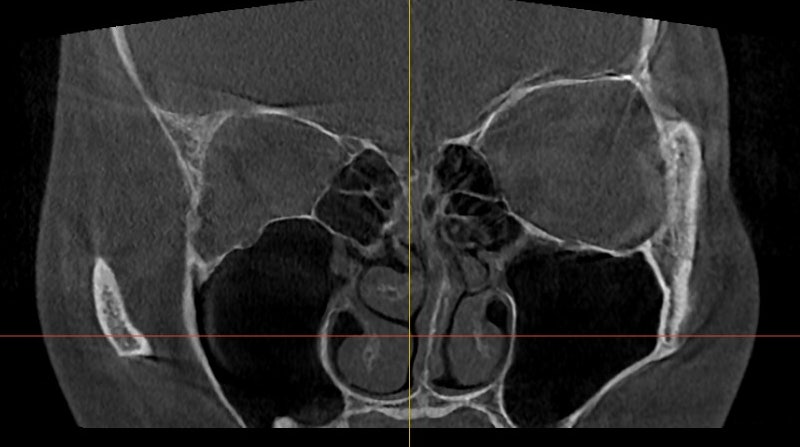
* Basic Information
# Female in her 20s
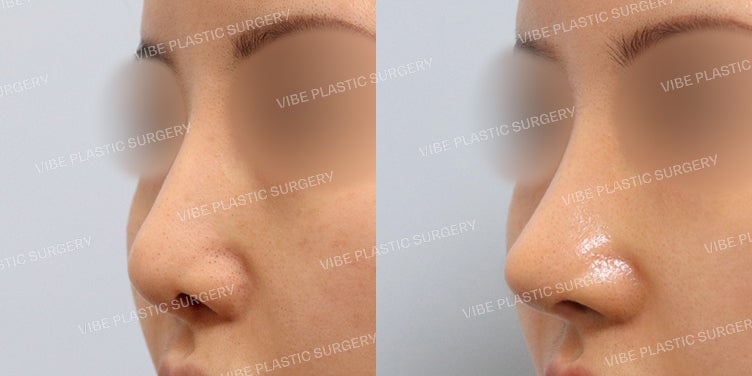
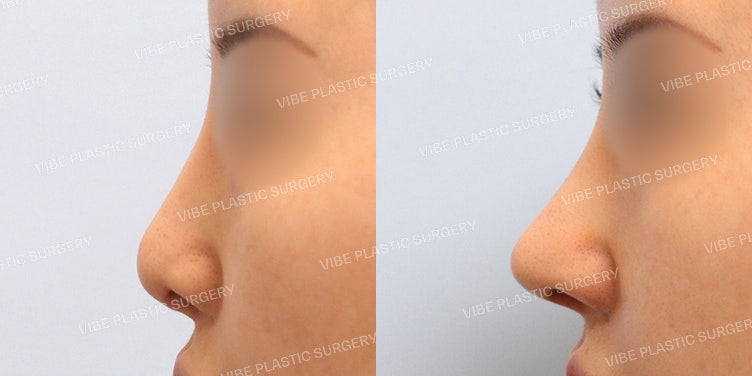
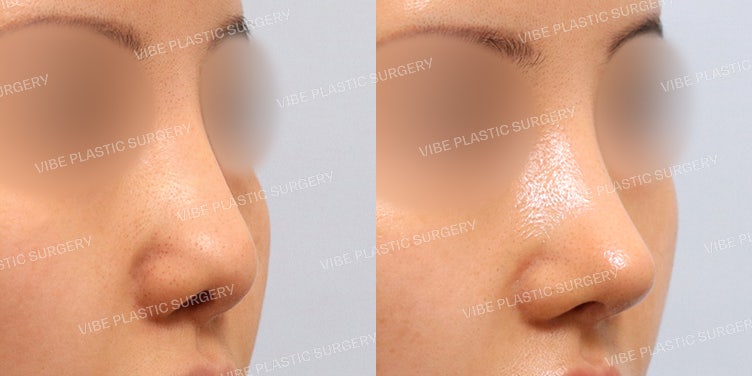
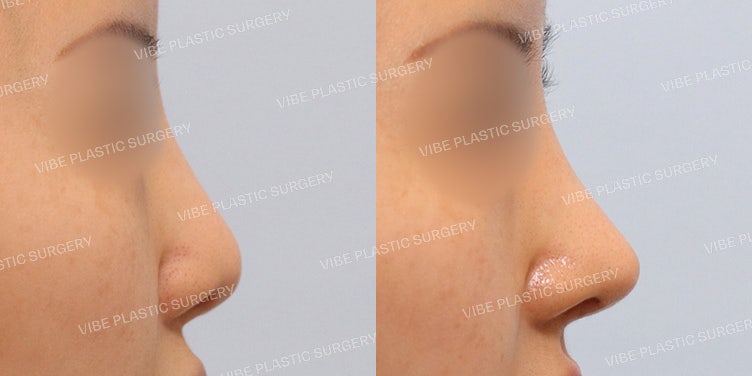
# She underwent two previous rhinoplasty procedures several years ago using septal cartilage, ear cartilage, and silicone implants, but is dissatisfied with the results. She wishes to correct her deviated nose and improve breathing discomfort.
* Consultation
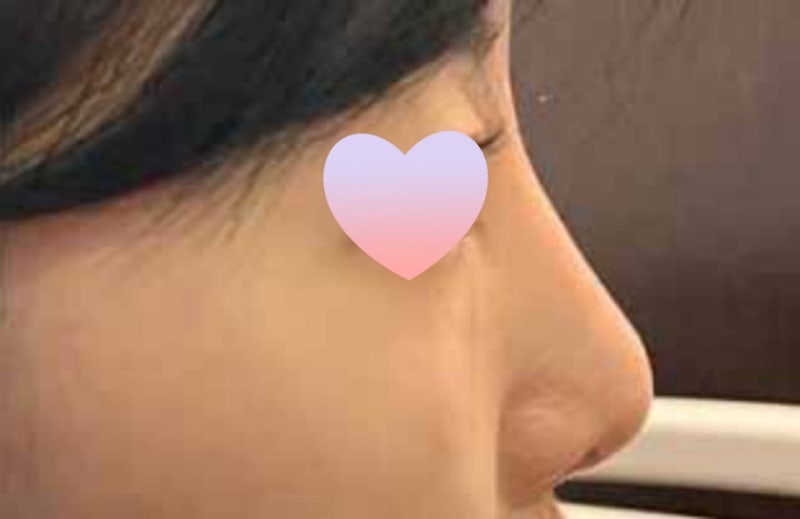
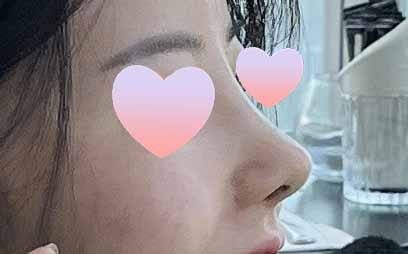
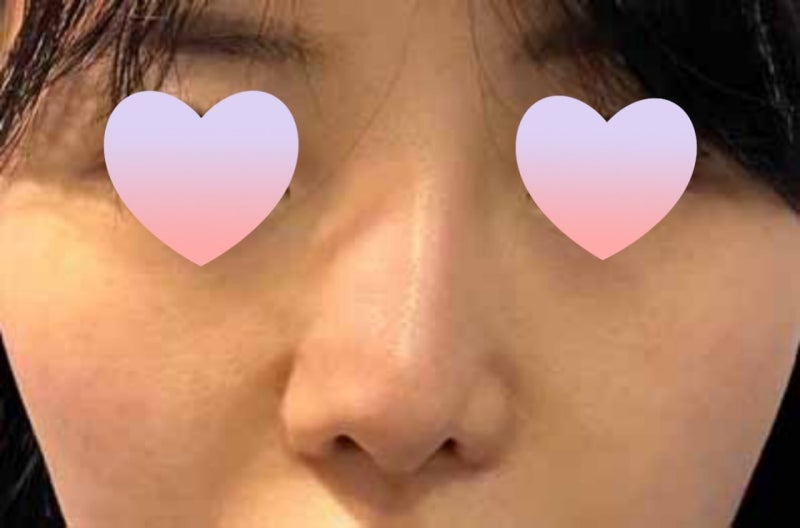
# Although she had surgery using septal and ear cartilage, she noted that over time, the bridge appeared increasingly deviated and the tip of the nose began to droop.
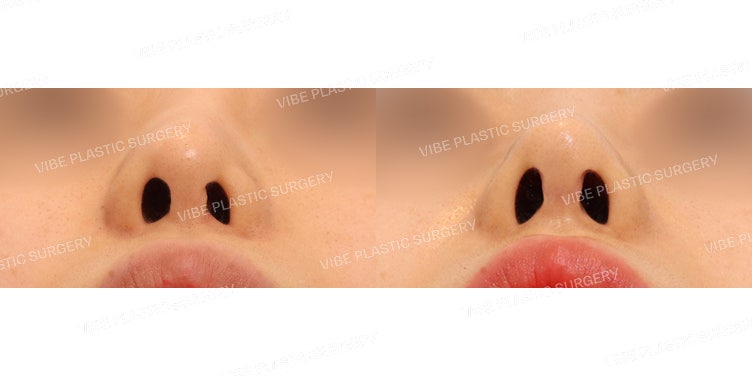
# Additionally, she complained of breathing difficulties due to one nostril being blocked.
# Pre-operative CT scans showed a severe degree of deviation, so we planned to perform the correction using autologous rib cartilage.
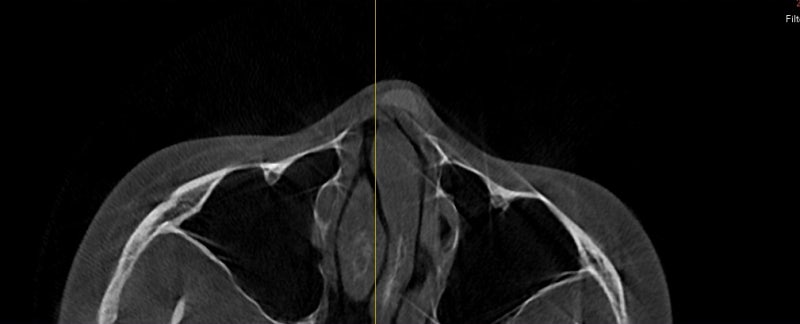
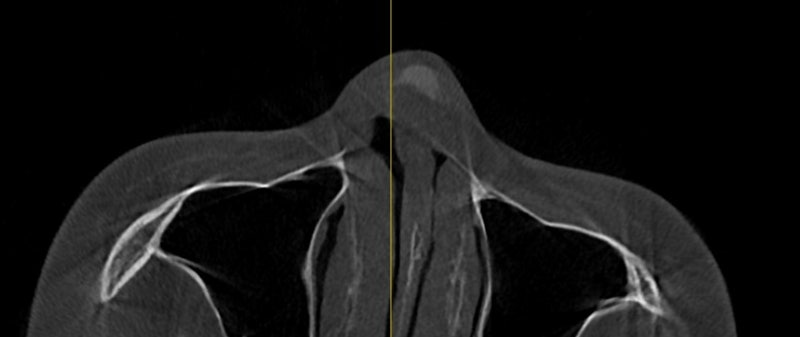
* Surgical Plan
# Tip Plasty (Correcting the drooping tip)
# Bridge Plasty (Correcting the deviated nose)
# Functional Rhinoplasty
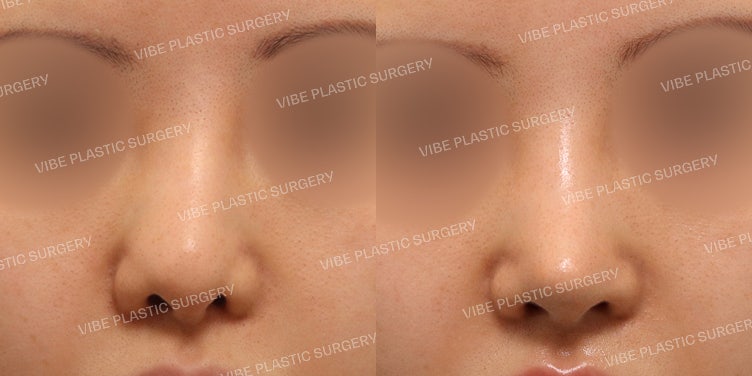
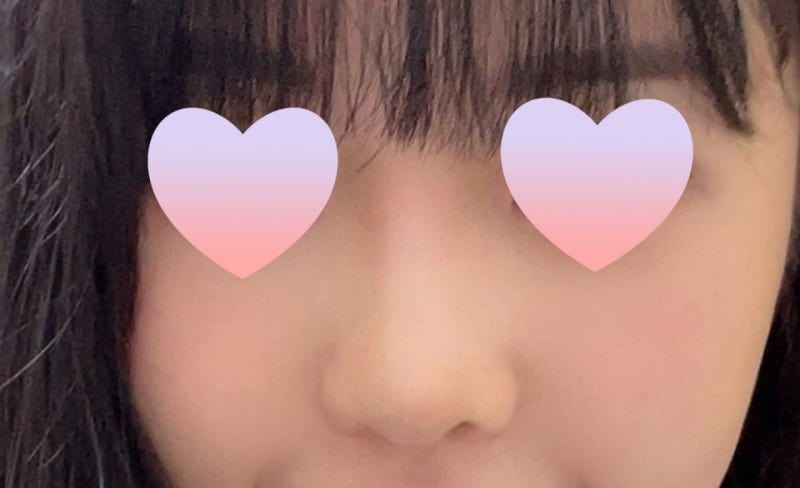
* Intraoperative Findings
# Severe scar tissue was present, which was cleanly removed, and the area was irrigated with an anti-scarring agent.
# The nasal septum was severely deviated, and the previous septal extension graft was weakly fixed to that area. This was the cause of the deviated nasal tip.
# The nasal septum was reconstructed using autologous rib cartilage. By improving the deviated septum, the nasal congestion symptoms were also corrected.
* Postoperative Findings
# Autologous rib cartilage is typically harvested from the 7th or 8th rib. There is minor pain for about 2-3 days after harvesting. After about a week, recovery is sufficient to return to daily activities without issues.
# When performing revision surgery, it is crucial to establish a perfect plan and prepare thoroughly beforehand. One must consider various variables in advance to respond flexibly to unexpected situations during surgery!
I had eye and nose revision surgery at VIBE Plastic Surgery through a friend’s recommendation. Before the surgery, my nose was severely tilted to the left, and my left nostril was almost completely blocked, making it very uncomfortable to breathe… So I did functional rhinoplasty as well, and now I can breathe equally through both sides, which is amazing. I would have been satisfied just with the breathing being easier, but I love the shape and height too!!! The director is the best T_T Also, I used autologous rib cartilage and thought the donor site would be painful, but it wasn’t as bad as I expected—just a slight pulling sensation! Director Young-moon Yoo was so kind from the first consultation right up until the surgery… He has all the kindness, thoroughness, and meticulousness in the world. I’m so glad I chose this place! Thank you!!!
Consultations and surgeries should be performed by a board-certified plastic surgeon!
VIBE that comes from rich experience
Young-moon Yoo, Representative Director of VIBE Plastic Surgery
Complications and side effects such as bleeding, inflammation, infection, and asymmetry may occur after surgery depending on the individual, and caution is required.
Frequently Asked Questions
When should autologous costal cartilage revision rhinoplasty be considered?
Autologous costal cartilage revision rhinoplasty can be considered when there are unsatisfactory results after a previous nose surgery, such as a crooked nose, drooping nasal tip, or nasal congestion, or when the septum is severely deviated and requires reconstruction. It is particularly effective when correction is difficult with only septal or ear cartilage.
How much pain is involved in harvesting autologous costal cartilage?
Autologous costal cartilage is usually harvested from the 7th-8th rib cartilage, and there may be minor pain for about 2-3 days after harvesting. According to patient reviews, it was not as painful as expected, feeling more like a slight pulling sensation. Recovery to the point of not affecting daily life is possible after about 1 week.
Can nasal congestion symptoms also be improved with revision rhinoplasty?
Yes, nasal congestion symptoms can also be improved if functional rhinoplasty is performed together with revision rhinoplasty. In this case, the severely deviated septum was reconstructed with autologous costal cartilage, successfully correcting the nasal congestion symptoms. After the surgery, the patient was satisfied, stating that breathing became equally comfortable on both sides.
When can I return to daily life after revision rhinoplasty?
For the autologous costal cartilage harvest site, it is usually possible to recover enough to have no major problems with daily life after about 1 week. The recovery period for revision rhinoplasty itself varies by individual, but overall recovery can proceed similarly to the costal cartilage harvest site.
Is it possible to correct a crooked nose with autologous costal cartilage?
Yes, it is possible. In this case, the severely crooked nasal bridge and septum were successfully corrected using autologous costal cartilage. Autologous costal cartilage has strong supportive power and can be effectively used for severe crooked noses or septal reconstruction.