2026-05-25
Combining Low Nose Rhinoplasty & Forehead Fat Grafting!
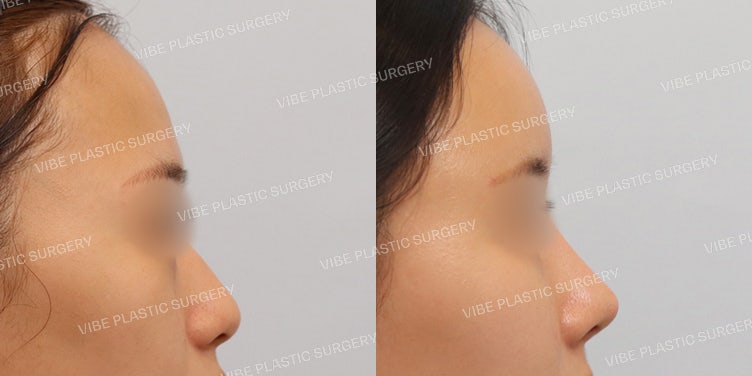
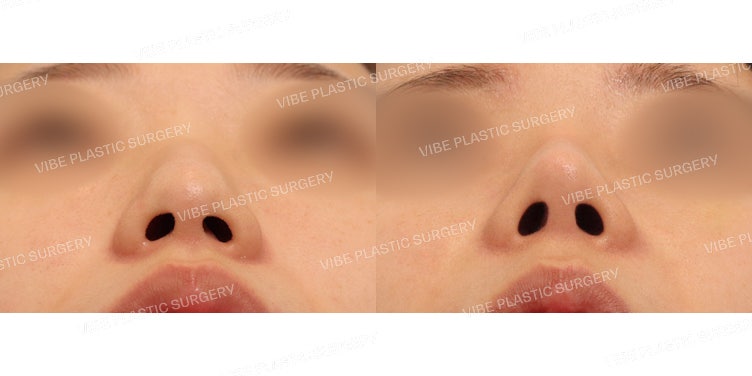
A case study of a woman in her 20s who achieved a more refined and voluminous facial profile through rhinoplasty and forehead fat grafting.
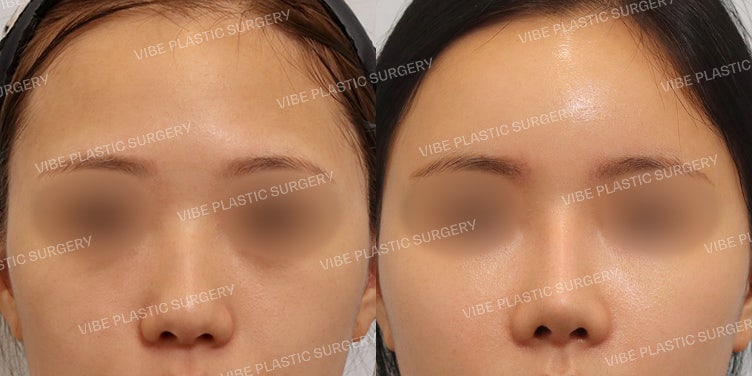
* Basic Information
- Female in her 20s
- Low nasal bridge and blunt nose tip
- Flat and uneven forehead
* Consultation
- The patient desired improvement for her low bridge and bulbous tip.
- She was also concerned about her flat and uneven forehead appearance.
- We planned to raise the nose while simultaneously performing fat grafting to create a voluminous and smooth facial shape.
* Surgical Plan
- Rhinoplasty (Hump reduction, silicone implant)
- Tip Plasty (Septal extension graft, bulbous nose correction)
- Fat Grafting
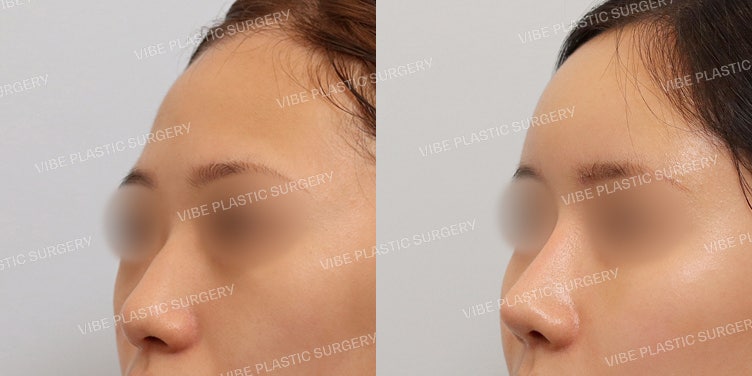
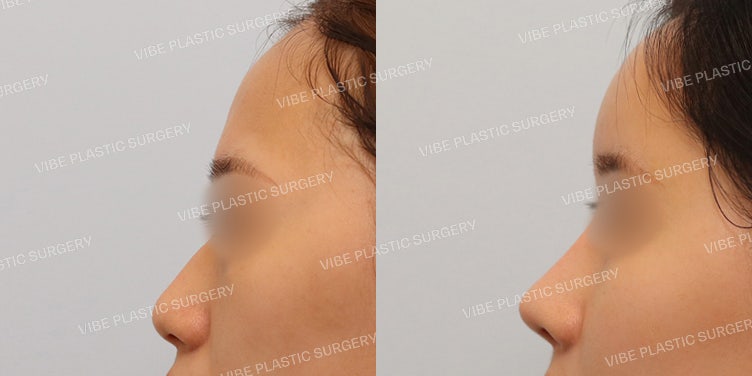
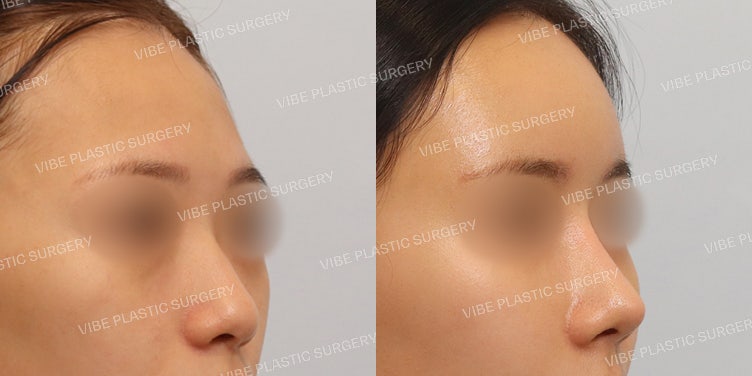
* Post-operative Progress
- An ideal nose tip angle was achieved using septal cartilage and ear cartilage.
- By adding volume to the overall face at the same time, the facial line was completed with a much more sophisticated and elegant image.
- When planning rhinoplasty, you should not look at the nose in isolation, but rather consider the entire line connecting from the forehead to the nose and the tip of the chin.
VIBE Plastic Surgery complies with medical laws. These before and after photos were taken under the same conditions with the patient’s consent. Complications and side effects such as bleeding, inflammation, infection, and asymmetry may occur after surgery and vary by individual; caution is required.
Frequently Asked Questions
What methods are used for low nose augmentation?
Low nose augmentation is performed by dividing it into bridge augmentation and tip augmentation. The bridge is refined by trimming the hump and adjusting the height using silicone implants, while the tip achieves an ideal angle through septal extension grafting and correction of a bulbous tip.
Why are nose augmentation and forehead fat grafting performed together?
When performing nose augmentation, it's important to consider the overall facial line from the forehead to the nose and chin, not just raising the nose. Forehead fat grafting adds volume to the entire face, maximizing the effect of nose augmentation and helping to create a more harmonious and sophisticated image.
What materials were used for the nose tip augmentation?
Septal cartilage and ear cartilage were used for the nose tip augmentation. These were utilized to achieve an ideal nose tip angle and improve a blunt nose tip.
What is the most important consideration when planning nose augmentation?
When planning nose augmentation, it's crucial to consider the entire facial line from the forehead to the nose and chin, not just the nose itself. Achieving overall harmony leads to more natural and satisfactory results.
What complications or side effects can occur after surgery?
After surgery, various complications and side effects such as bleeding, inflammation, infection, and asymmetry can occur. These symptoms may vary depending on the individual, so sufficient consultation and caution are necessary before surgery.