2026-05-25
Correcting a Deviated Nose with Autologous Rib Cartilage!!
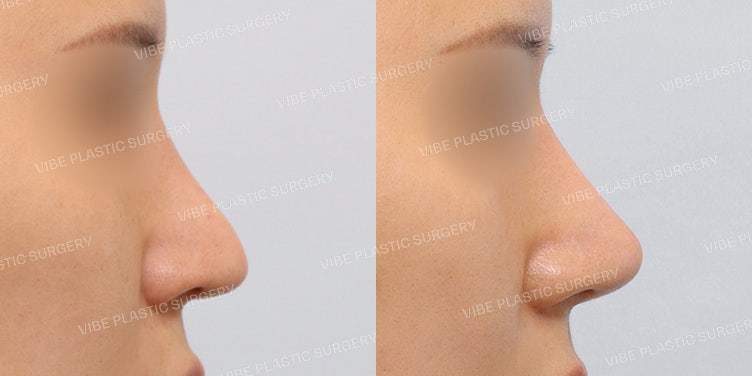
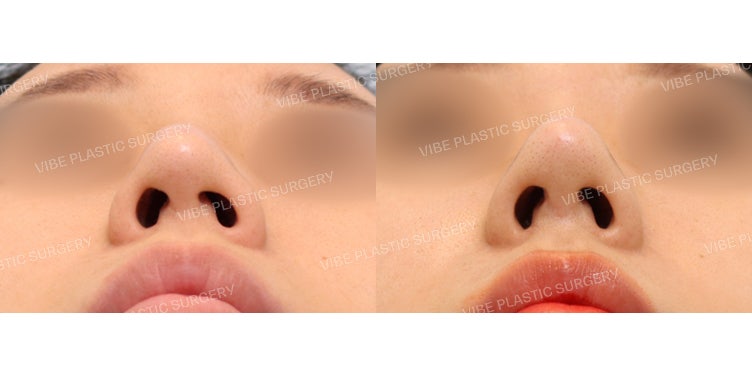
A case study of a 30-year-old female undergoing revision rhinoplasty to correct a severely deviated and drooping nose using autologous rib cartilage.
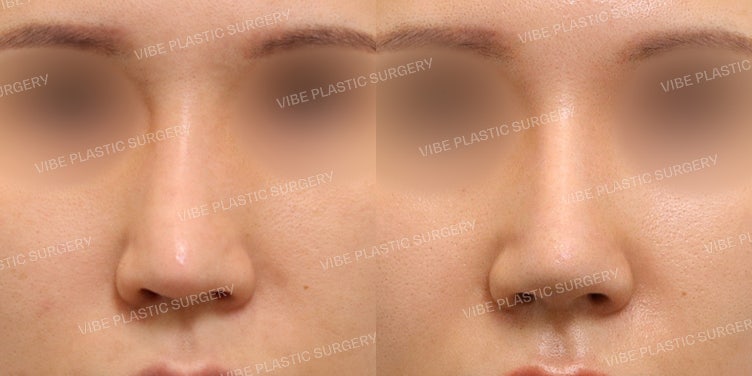
* Basic Information
# Female in her 30s
# Medical History: Two previous nose surgeries using septal and ear cartilage
# Current Condition: The nasal tip has dropped, making the nose look long and severely deviated.
* Consultation
# The main points were the nasal tip, which sagged long after two surgeries, and the central axis, which was severely deviated to the right.
# We planned to create a straight line by correcting the dropped nasal tip and the deviated nose.
# Since a long nasal tip gives an impression of being older than one’s actual age, we planned to create an appropriate nasal tip shape and angle.
* Plan
# Nasal Bridge Surgery
- Implant replacement
- Deviated nose correction (osteotomy and spreader graft)
# Nasal Tip Surgery
- Autologous rib cartilage
- Deviated nose correction
- Long nose (nasolabial angle) correction
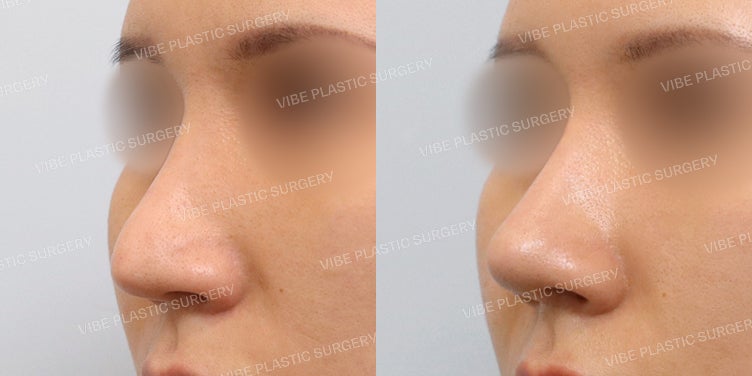
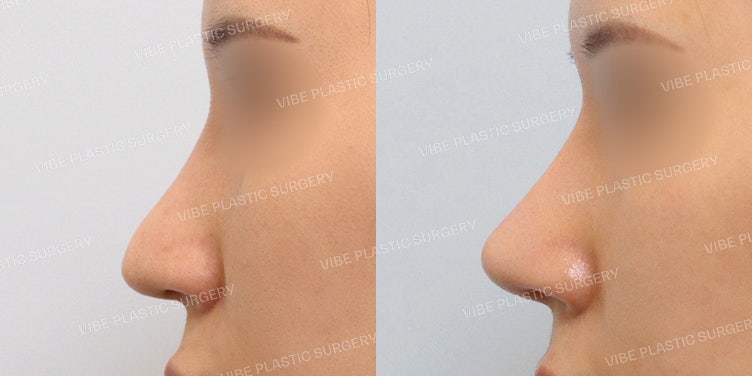
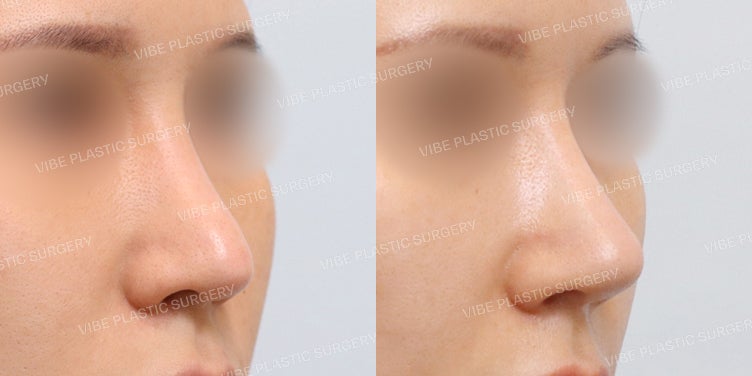
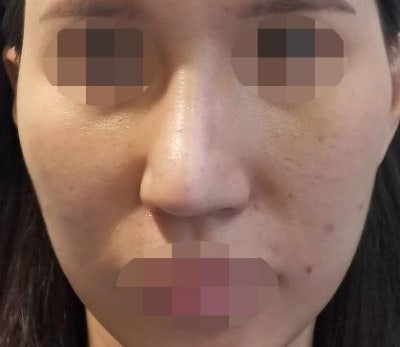
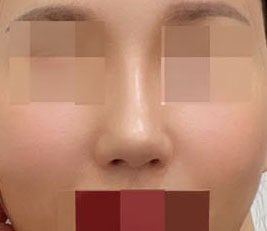
* Post-operative Progress
1. The 7th rib cartilage on the right side was harvested and used. Since autologous rib cartilage is harvested through a short incision of about 2.5 to 3 cm, you do not need to worry much about scarring. In cases of severe deviation like the one above, it is important to provide definitive correction using strong cartilage such as autologous rib cartilage.
2. Deviated nose surgery is a high-difficulty procedure, but patient satisfaction tends to be high after surgery. This is because it resolves the line that looks crooked from the front and makes the central axis straight.
3. While it varies depending on the degree of deviation, in cases of severe deviation like this one, medial and lateral osteotomy is required. Through medial and lateral osteotomy, the deviated part is corrected, and spreader grafts are used in between to refine a straight line.
4. By correcting the angle of the long, drooping nasal tip and creating an ideal nasal tip shape and angle, a satisfactory result was achieved.
Consultations and surgeries should be performed by a board-certified plastic surgeon!
The VIBE that comes from rich experience
Dr. Young-moon Yoo, Representative Director of VIBE Plastic Surgery
VIBE Plastic Surgery complies with medical laws. These before-and-after photos were taken under the same conditions and with the patient’s consent. Complications and side effects such as bleeding, inflammation, infection, and asymmetry may occur after surgery and may vary depending on the individual, so caution is required.
Frequently Asked Questions
In what cases is autologous costal cartilage used?
Autologous costal cartilage is primarily used when the nose is severely deviated or when strong support is needed due to a history of previous surgeries. It is effective in definitively correcting severely crooked noses, as in this case.
What about scars when harvesting autologous costal cartilage?
You generally don't need to worry much about scars when harvesting autologous costal cartilage. A short incision of about 2.5-3cm is typically used, so it is not very noticeable.
Is crooked nose surgery difficult?
Yes, crooked nose surgery is considered a difficult procedure. However, patient satisfaction is high because the crooked line seen from the front after surgery is resolved and the central axis is straightened.
How is a severely crooked nose corrected?
A severely crooked nose may require medial and lateral osteotomy. The crooked part can be straightened through osteotomy, and a straight line can be created using spreader grafts in between.
Can a long nasal tip also be corrected?
Yes, a long nasal tip can also be corrected. Satisfactory results can be achieved by correcting the angle of the long, drooping nasal tip and creating an ideal nasal tip shape and angle.
Is it possible to use autologous costal cartilage for revision surgery?
Yes, it is possible. The patient in this post also had a history of two previous nose surgeries and successfully corrected their crooked nose and drooping nasal tip using autologous costal cartilage.