2026-05-25
Low & Bulbous Nose Correction, Alar Reduction
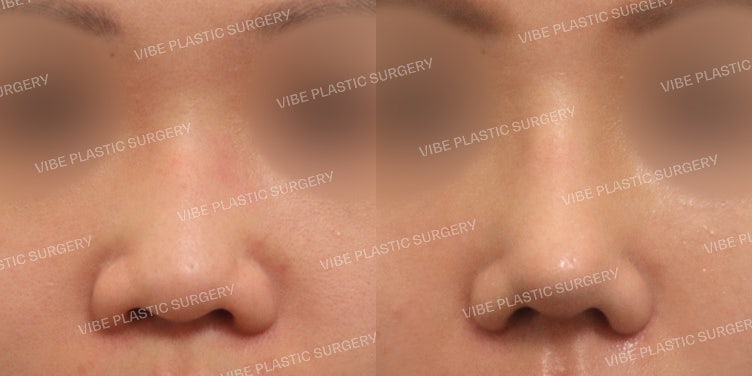
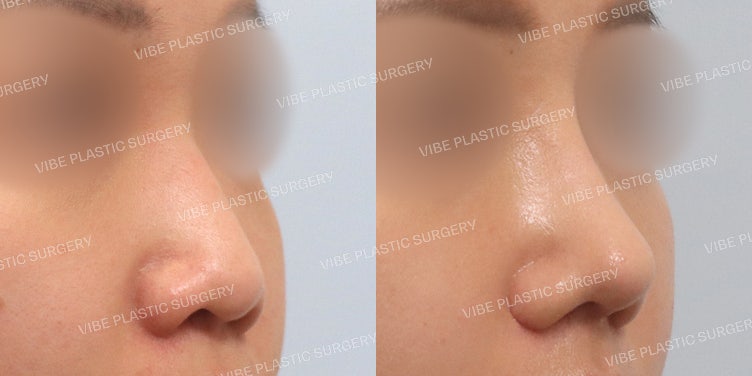
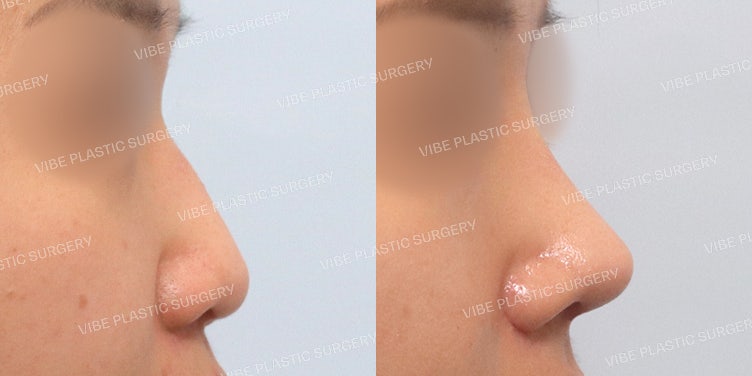
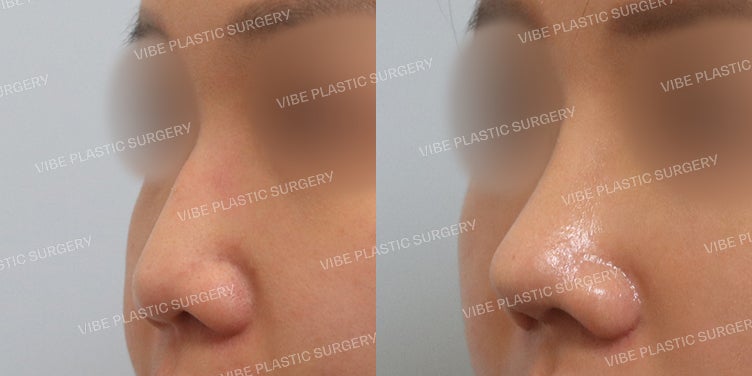
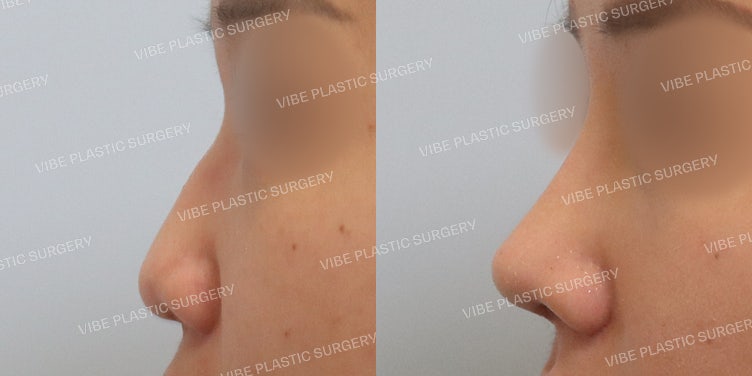
A 20s female sought correction for a low, uneven nose with a dorsal hump and bulbous tip. The plan included tip plasty, dorsal hump correction with silicone implant, and alar reduction.
* Basic Information
# Female in her 20s
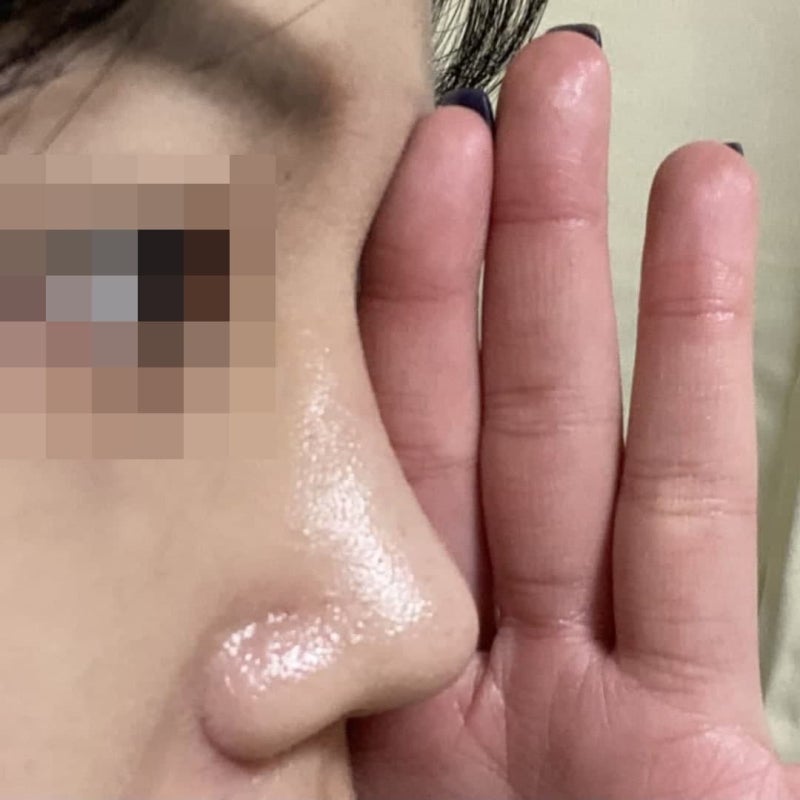
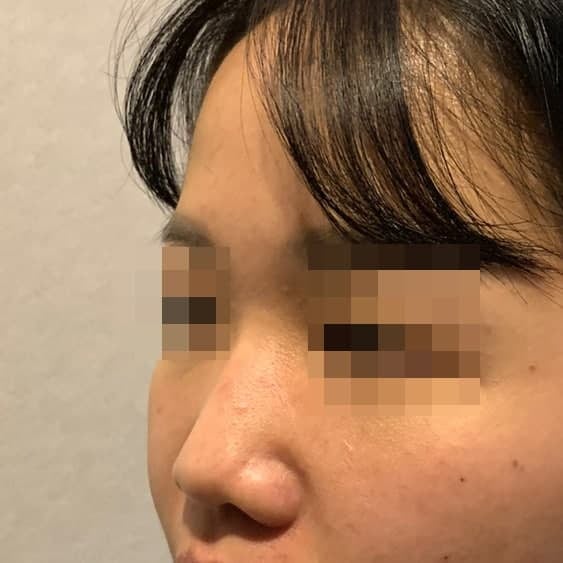
# Her nose is low and uneven due to a dorsal hump.
# She is stressed by her bulbous nose.
* Consultation
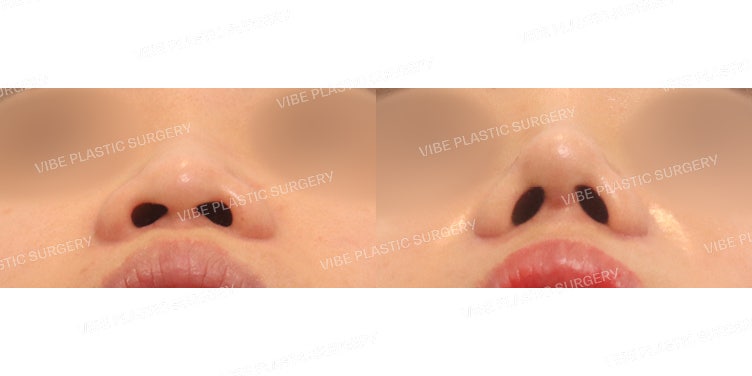
# She visited seeking correction for her bulbous nose. While a bulbous nose was once considered a sign of good fortune, many now wish to improve it because it can give a somewhat blunt appearance. Her alar base was also wide, so alar reduction was planned concurrently.
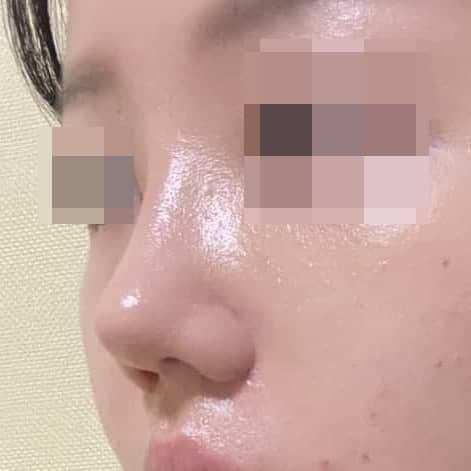
# We believe that by making the nasal tip slender and raising and smoothing the bridge line, a satisfactory nose line can be achieved.
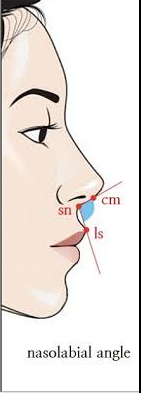
# Her columella is quite retracted. Correcting the nasolabial angle by projecting the columella should make her look more refined.
* Plan
# Tip Plasty (Bulbous Nose Correction, Columella Projection)
# Dorsal Plasty (Dorsal Hump Correction, Silicone Implant)
# Alar Reduction
* Post-Surgery Observations
# There are several types of bulbous noses: 1. Thick skin 2. Thick soft tissue (subcutaneous fat, etc.) 3. Wide and spread cartilage...
# Naturally, these often occur in combination, so it is best to appropriately correct each factor. This involves sculpting the skin and soft tissue to make it thinner and creating a sharp shape by extending the cartilage.
# Before surgery, her nasal tip was drooping, and her columella appeared retracted, didn't it? However, by using the septal cartilage to project the columella, the nasolabial angle has improved, and the line connecting her nose to her philtrum has become more refined and beautiful.
Consultation and surgery should be performed by a board-certified plastic surgeon!
VIBE from extensive experience
Yoo Young-moon, Chief Director of VIBE Plastic Surgery
Complications and side effects such as bleeding, inflammation, infection, and asymmetry may vary by individual after surgery and require caution.
Frequently Asked Questions
What types of bulbous noses are there?
Bulbous noses can be broadly categorized into cases where the skin is thick, where the soft tissue such as subcutaneous fat is thick, and where the cartilage is widely spread. Often, these three factors appear in combination.
How is bulbous nose correction performed?
Bulbous nose correction involves thinning the skin and soft tissues, and gathering the spread cartilage to create a sharp shape. The appropriate correction method is applied according to the patient's bulbous nose type.
Can a hooked nose and a low nasal bridge be corrected together?
Yes, it is possible. In this case, a plan was made to improve the low nasal bridge line smoothly by using a silicone implant along with hooked nose correction.
What is columella retraction surgery?
Columella retraction surgery is a procedure that improves the nasolabial angle by extending the columella using the nasal septum when the columella between the tip of the nose and the lips appears recessed. This can make the line from the nose to the philtrum look more refined.
When is alar reduction necessary?
Alar reduction can be planned when the nasal wings are spread wide, making the nose look blunt or the nostrils appear wide. It is performed in conjunction with tip plasty to balance the overall nose shape.