2026-05-25
Incisional Double Eyelid Surgery and Epicanthoplasty (Revision)
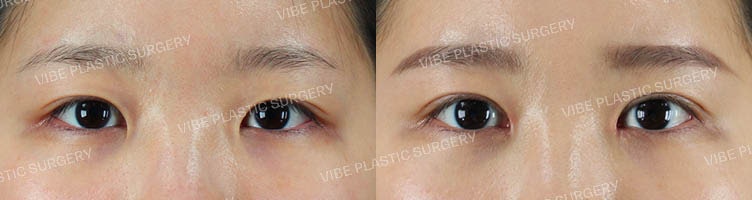
A case study of a 20-year-old female who underwent revision incisional double eyelid surgery and epicanthoplasty to correct loose, thin lines and achieve a vivid in-out fold.
* Basic Information
# 20s Female
# Medical History: Natural Adhesion, Epicanthoplasty
# Eye-opening Strength: Good
# Skin Thickness: Moderate
# Current Status & Requirements: The lines have become loose and too thin. I want a more defined line.
* Consultation
# Although natural adhesion was performed a long time ago, the lines have loosened and appear buried.
# We planned to create a clear ‘in-out’ line through incisional double eyelid surgery and epicanthoplasty (revision).
* Plan
# Incisional Double Eyelid Surgery (Revision)
# Epicanthoplasty (Revision)
* Post-operative Progress
# A natural in-out line has been achieved. :)
Consultation and surgery should be performed by a board-certified plastic surgeon!
VIBE that comes from rich experience
VIBE Plastic Surgery Clinic, Representative Director Dr. Young-moon Yoo
Complications and side effects such as bleeding, inflammation, infection, and asymmetry may occur after surgery and vary by individual; caution is required.
Frequently Asked Questions
In what cases should revision incisional double eyelid surgery be considered?
Yes, revision incisional double eyelid surgery can be considered if the line has loosened or become too thin, and a clearer line is desired. The 20-year-old woman in this case also chose revision surgery to improve the loose and buried appearance of her double eyelid line after a previous natural adhesion method.
Is revision epicanthoplasty also possible?
Yes, it is possible. In this case, a patient who had undergone epicanthoplasty in the past planned and proceeded with revision epicanthoplasty along with revision incisional double eyelid surgery to create a clear in-out line.
When does the in-out line become natural after surgery?
In this case, a natural in-out line was observed to be complete approximately 1 month after surgery. While there may be individual differences, it generally becomes more natural gradually after the recovery period.
What are the possible side effects after surgery?
Yes, complications and side effects such as bleeding, inflammation, infection, and asymmetry may occur after surgery. These side effects can vary depending on the individual, so caution is required.
Who should I consult for surgery?
Yes, it is best to consult with a plastic surgeon for surgery consultation and the surgery itself. You can establish a suitable surgical plan for yourself through consultation with an experienced specialist.