2026-05-24
‘I’ve had fillers and Hiko threads… so why does my nose still look the same?’
A case study of a patient who transitioned from temporary fillers and threads to rhinoplasty to correct a short, bulbous nose for a more sophisticated look.
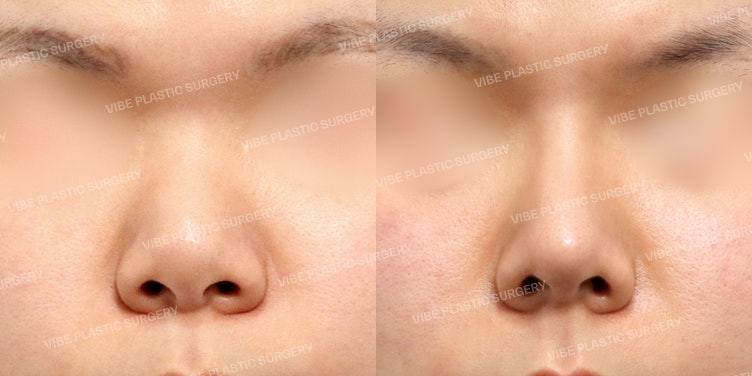
🌟 This is a real concern from a female client in her 20s.
She had tried fillers and Hiko thread lifts, but her nose in the mirror still looked short, blunt, and even slightly upturned.
‘Is it okay to just keep layering these treatments?’
With that concern in mind, she visited us for a rhinoplasty consultation.
❓ Is a bulbous nose really ‘lucky’?
While a ‘bulbous nose’ was once considered a sign of good fortune in traditional beliefs, we now live in an era that prefers a sophisticated nose line that clearly defines the center of the face.
💬 In this patient’s case:
✔ Short nose
✔ Visible nostrils (upturned look)
✔ Round and blunt bulbous tip
These three factors combined to create a cute but somewhat unsophisticated impression.
✨ What was the solution proposed for this client?
1️⃣ Clean up existing treatments first!
: It is safest and most accurate to proceed with surgery after dissolving the fillers and removing the Hiko threads.
2️⃣ Tip Plasty – Simultaneous improvement of bulbous, short, and deviated nose
Gathering the widened tip cartilage and removing excess fat from the nasal tip.
For the short nose, septal extension and angle adjustment were performed.
3️⃣ Bridge Augmentation – Smooth and natural with implants
Creating a smooth, sleek line extending from the forehead to the tip.
This upgrades not only the facial dimension but the overall impression!
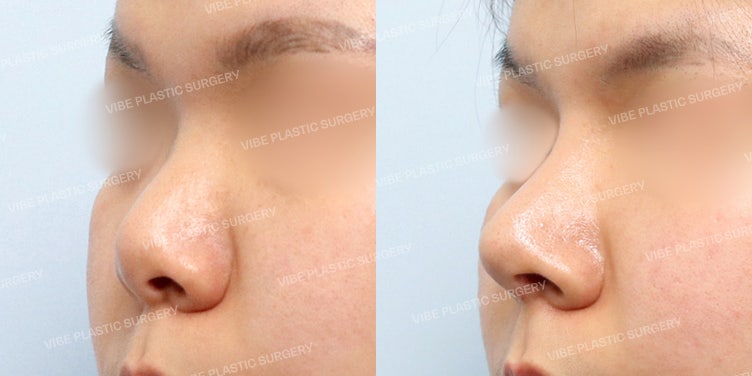
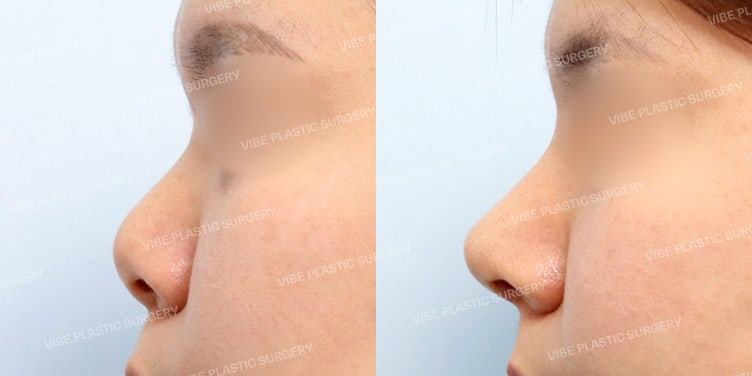
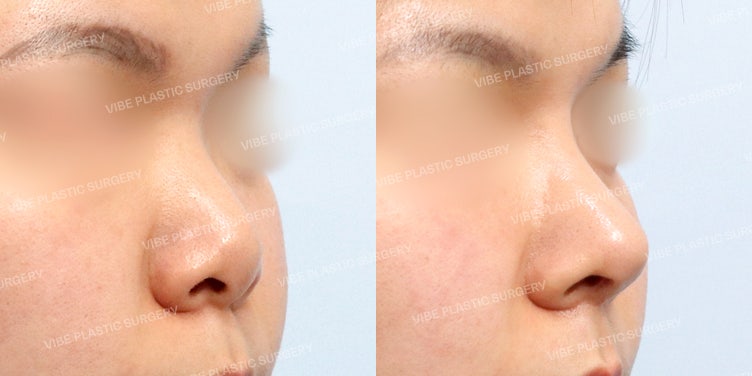
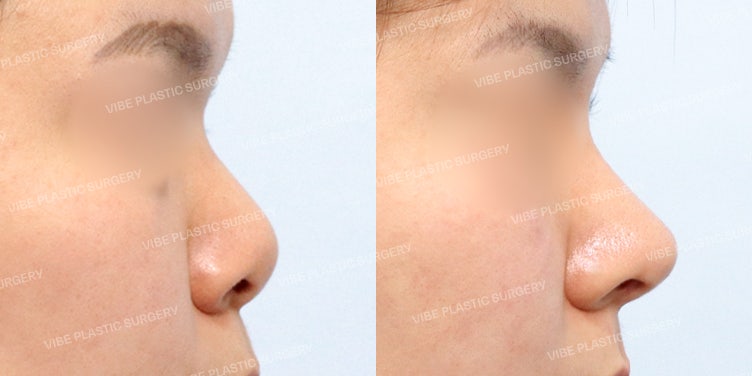
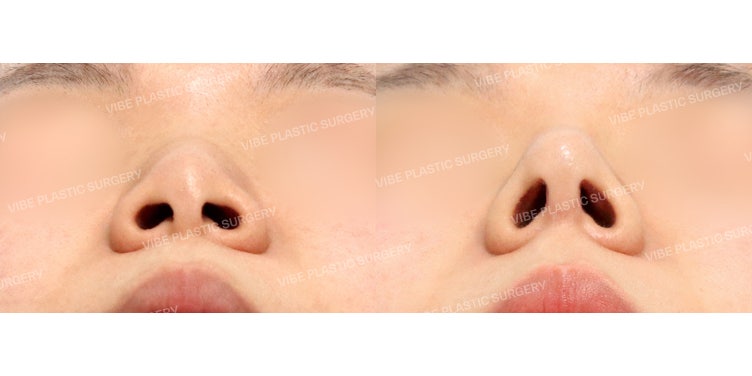
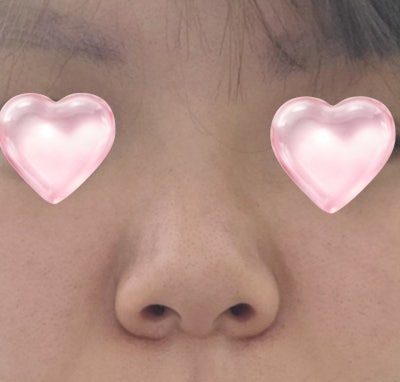

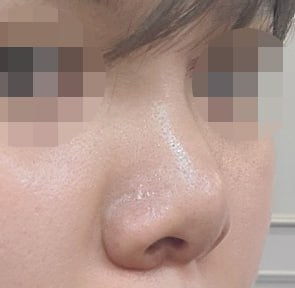
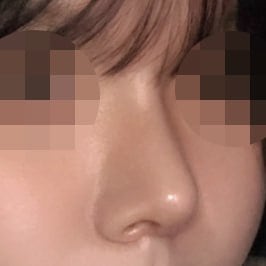
💎 What were the changes after surgery?
✔ The cute but blunt nose line transformed into a sleek, three-dimensional nose.
✔ The impression changed significantly from both the front and the side.
Most importantly,
✨ ‘The nose that could never be achieved with fillers’
✨ Was finally realized as a reality!
🧠 Why are there limits to fillers and threads?
If you inject more than a certain amount of filler, it can become thick and lose its shape, creating a ‘spread’ look.
Hiko threads cannot improve the actual bone or cartilage structure.
Especially for short and upturned structures, a more ‘definitive design’ and surgical approach are necessary.
📌 If you’ve tried fillers and threads but still feel ‘something is missing’?
It is time for an accurate diagnosis and structural improvement.
Consultations and surgeries should be performed by a board-certified plastic surgeon!
The VIBE that comes from rich experience.
Dr. Yoo Young-moon, Representative Director of Vibe Plastic Surgery
Vibe Plastic Surgery complies with all medical laws. These before-and-after photos were taken under the same conditions with the patient’s consent. Complications and side effects such as bleeding, inflammation, infection, and asymmetry may occur after surgery and vary by individual; caution is advised.
Frequently Asked Questions
Is nose surgery possible after filler or Hiko procedures?
Yes, it is possible. For the safest and most accurate surgery, it is recommended to dissolve existing fillers and remove Hiko threads before proceeding with nose surgery. This allows for more effective structural improvement of the nose.
What are the limitations of filler or Hiko procedures?
When fillers are injected beyond a certain amount, they can feel thick or appear lumpy. Hiko threads cannot improve the bone or cartilage structure itself, and surgical intervention may be necessary, especially for short and upturned nose structures.
How can a bulbous nose, short nose, or upturned nose be improved?
A bulbous nose is improved through tip plasty by gathering spread nasal tip cartilage and removing fat, while a short nose is improved by septal extension and angle adjustment. Dorsal augmentation uses implants to create a smooth line from the forehead to the nasal tip.
What changes can I expect from nose surgery?
A cute but blunt nose line can be transformed into a sharp, three-dimensional nose. Your impression will change significantly from both the front and side, allowing you to achieve an ideal nose shape that was difficult with fillers.
Who should I consult for nose surgery?
It is important to consult with a board-certified plastic surgeon. An experienced specialist can provide an accurate diagnosis and suggest appropriate surgical improvement plans tailored to your individual nose structure.