2026-05-25
L-Shaped Implant Revision Surgery (Bulbous & Short Nose)
A case study of a 20-year-old female undergoing revision rhinoplasty to replace an L-shaped implant with autologous cartilage for a more refined, slim nose tip.
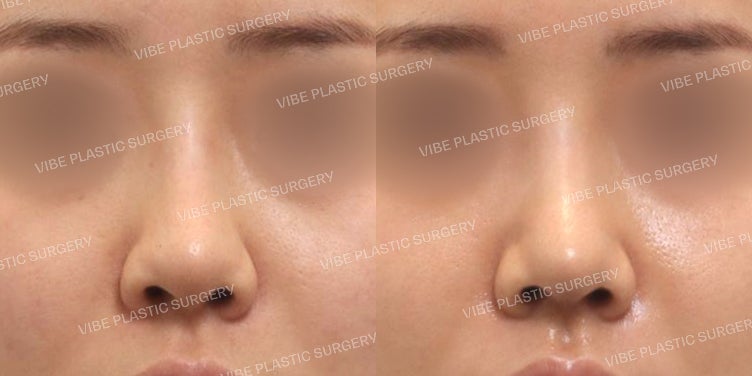
* Basic Information
# Female in her 20s
# Decided on revision surgery because the nose appeared slightly crooked and blunt after a previous L-shaped implant surgery.
* Consultation
# This patient had undergone nose surgery several years ago using an L-shaped implant. There were no major issues with the overall shape.
# However, because an L-shaped implant extends all the way to the tip of the nose, it can make the tip look blunt and large. Additionally, there is a risk that the tip may lift over time, making the nose appear shorter.
# Therefore, we decided to replace the L-shaped implant and perform revision surgery on the nose tip using autologous cartilage.
* Plan
# Tip Plasty (Bulbous nose, short nose, and deviated nose correction)
- Septal extension graft using autologous cartilage
# Bridge Rhinoplasty (Replacement of the L-shaped implant)
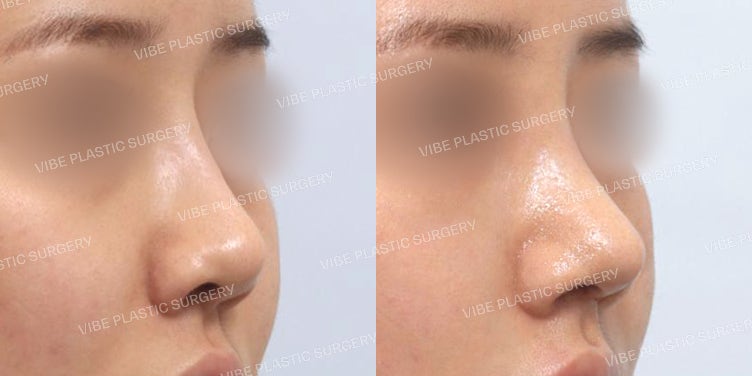
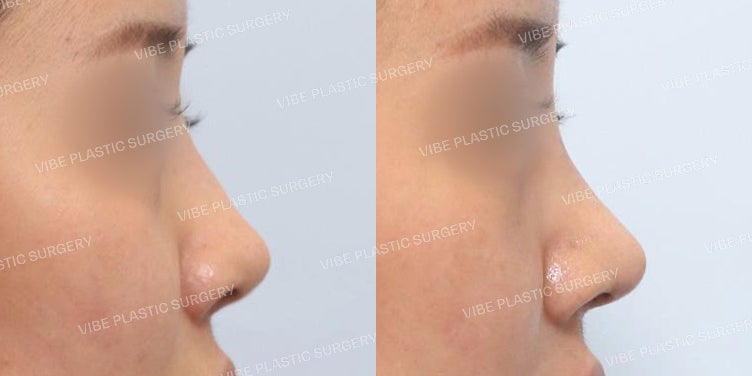
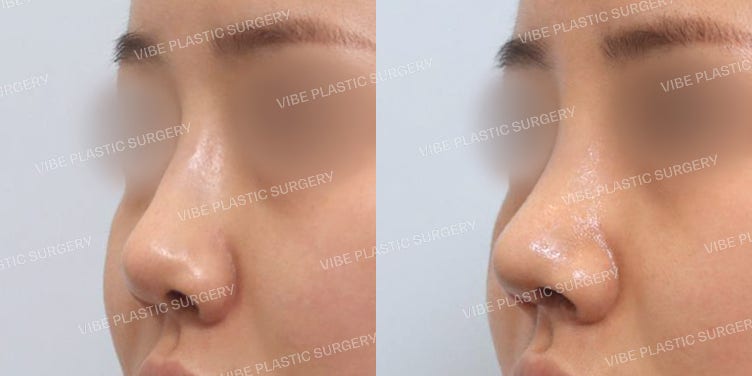
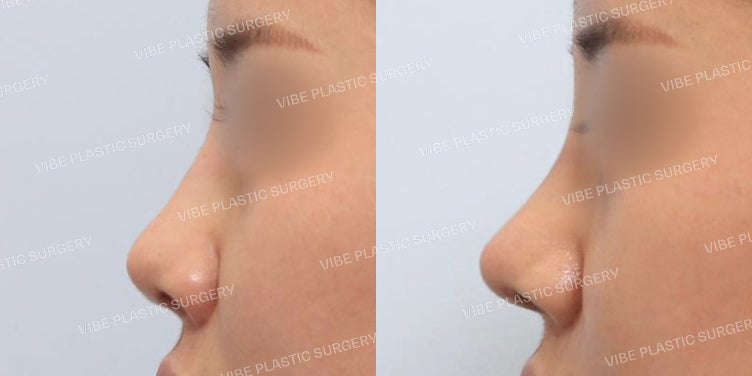
* Post-operative Progress
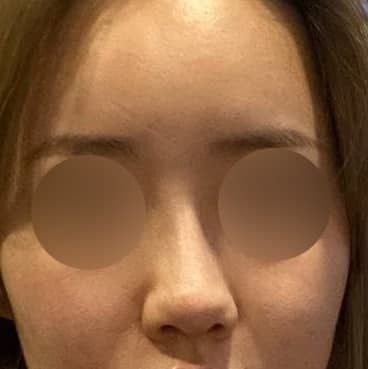
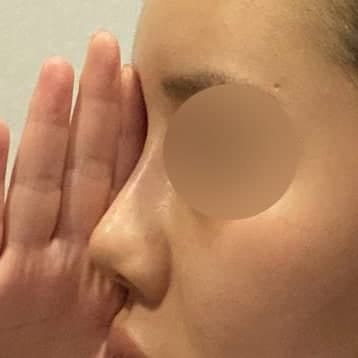
# A significant amount of scar tissue had formed around the L-shaped implant that extended to the tip. After removing the implant and the surrounding scar tissue, the nose tip was reshaped using autologous cartilage.
# As the nose tip became higher and slimmer, the overall look became much more sophisticated :)


Consultations and surgeries should be performed by a board-certified plastic surgeon!
The ‘VIBE’ that comes from rich experience
Dr. Yoo Young-moon, Representative Director of VIBE Plastic Surgery
Complications and side effects such as bleeding, inflammation, infection, and asymmetry may occur after surgery. These vary by individual, and caution is required.
Frequently Asked Questions
In what cases should L-shaped implant revision surgery be considered?
Yes, L-shaped implant revision surgery can be considered if the nose appears crooked or blunt, or if the tip of the nose lifts over time, making it look short. In this case, revision surgery was decided due to a crooked and blunt-looking nose.
Can an L-shaped implant make the tip of the nose blunt?
Yes, because an L-shaped implant extends to the tip of the nose, it can make the tip appear blunt and large. There is also a risk that the tip of the nose may lift over time, making it look short.
What method is used to improve the nasal tip during L-shaped implant revision surgery?
During L-shaped implant revision surgery, the existing implant is replaced, and the nasal tip is sculpted using autologous cartilage. In this case, a septal extension graft was used to improve a bulbous nose, short nose, and crooked nose.
What are the advantages of nasal tip plasty using autologous cartilage?
Nasal tip plasty using autologous cartilage uses the patient's own cartilage, which minimizes foreign body reactions and allows for natural-looking results. After surgery, the nasal tip can become higher and more slender, giving a sophisticated impression.
What complications can occur after L-shaped implant revision surgery?
Yes, various complications and side effects such as bleeding, inflammation, infection, and asymmetry can occur after surgery. These may vary depending on the individual, so caution is required.