2026-10-01
Severely Deviated and Hard-to-Breathe Nose! Male Rhinoplasty in His 30s Corrected Exclusively with "Autologous Costal Cartilage" Without Foreign Implants by Dr. Yu Young-moon of VIBE Plastic Surgery (Sinnohyeon Station)
Discover how a 30s male patient corrected a severely crooked nose and breathing issues using 100% autologous costal cartilage without foreign implants at VIBE Plastic Surgery by Dr. Yu Young-moon.
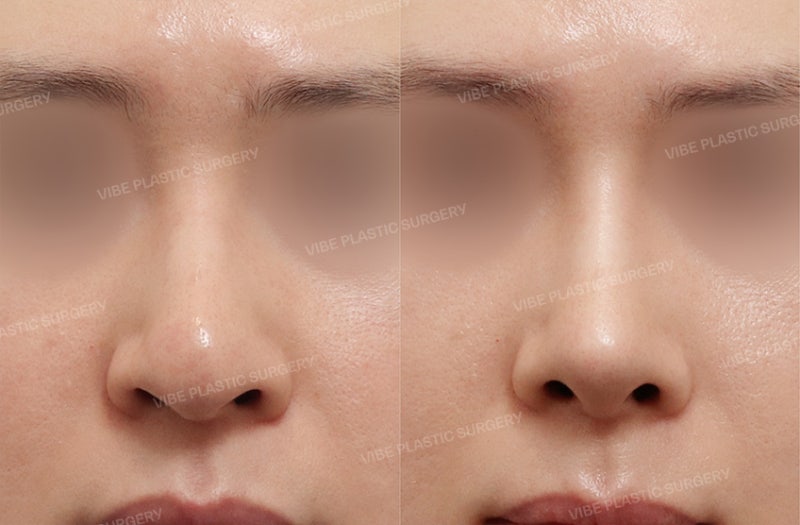
Hello.
This is VIBE Plastic Surgery.
Today, we would like to share a rhinoplasty case of a male patient in his 30s who suffered simultaneously from:
1. Functional issues inside the nasal cavity, and
2. An externally deviated (crooked) nose,
both caused by a "severely deviated nasal septum."
For this patient, the goal was not merely to enhance the aesthetic appearance of the nose, but rather to simultaneously address multiple objectives:
Correcting the severely deviated nasal septum
Straightening the externally crooked nasal line
Performing functional surgery for nasal congestion and rhinitis
Creating a masculine yet natural nasal profile
The key highlight of this surgery was that
we resolved the structural internal issues using autologous costal cartilage,
performing an implant-free (no-implant) rhinoplasty without any artificial materials.
A Severely Deviated Septum Can Cause an Externally Crooked Nose!
At the center of the nose lies the nasal septum, which structurally supports the entire nasal framework.
If the septum is only slightly deviated, it may not significantly affect the external shape.
However, when the septum itself is severely warped as in this patient's case,
it can cause not only structural problems inside the nose, but also
make the nose appear visibly tilted to one side externally.
Moreover, a severe septal deviation can lead to nasal functional problems, such as:
Persistent nasal obstruction
Difficulty breathing through one side of the nose
Aggravated rhinitis symptoms
Discomfort during sleep
In such cases, a simple cosmetic procedure that only elevates the bridge or tip
cannot resolve the fundamental underlying problem.
To straighten the nose properly, it is crucial to first reliably realign and stabilize the deviated internal structure.
Why Was Autologous Costal Cartilage Necessary?
When correcting a severely crooked nose,
it is vital to sufficiently straighten the warped internal framework and provide strong, lasting structural support.
However, the existing septal cartilage alone is often insufficient in terms of quantity and tensile strength.
Particularly when the septum itself is heavily deviated,
"the amount and quality of usable cartilage may be severely compromised and limited,"
necessitating a much sturdier and more abundant donor material.
This is where autologous costal cartilage proves exceptionally valuable.
Autologous costal cartilage, harvested from the patient's own rib,
provides an abundant supply of cartilage,
delivers robust structural support,
is highly effective for straightening severely distorted structures, and
enables stable reconstruction of the overall nasal framework.
Especially for patients like this,
where the internal framework is severely deviated and accompanied by external crookedness,
the nose cannot simply be augmented—the entire anatomical structure must be redesigned from the ground up.
Autologous costal cartilage is a remarkably effective choice because it provides the volume and rigidity required to rebuild that structural framework.
Autologous Costal Cartilage Is Not Necessary for Every Rhinoplasty!
While autologous costal cartilage offers immense advantages, it is not mandatory for all rhinoplasty procedures.
Depending on the patient's nasal anatomy and surgical goals, septal cartilage or ear cartilage
can be completely adequate.
However, autologous costal cartilage is particularly beneficial in the following scenarios:
1. Severe septal deviation
When substantial cartilage is needed to straighten the bent septum and reconstruct a stable supporting framework.
2. Severe crooked nose correction
When rigid, high-strength cartilage is required to realign the underlying internal framework alongside external cosmetic correction.
3. High demand for autologous cartilage volume
When the nasal tip, bridge, and central support structure must all be reconstructed simultaneously, exceeding the capacity of native septal cartilage.
4. Structural rhinoplasty without artificial implants
When a patient wishes to achieve optimal shape, height, and definition using only their own cartilage without foreign implants.
Implant-Free Rhinoplasty Crafted Solely with Autologous Cartilage
Another defining feature of this case
was that no synthetic implants, such as silicone, were used.
The only structural material utilized was the patient's own cartilage.
In other words, it was a completely implant-free rhinoplasty, constructing the nasal framework and contour purely with autologous tissue without inserting foreign materials.
The greatest advantage of implant-free rhinoplasty
is that the nose can be reconstructed using natural biological tissue tailored to the patient's specific anatomy.
It is especially suitable for those who feel apprehensive about foreign body reactions or infections,
or who strongly prefer an all-natural reconstructive approach using exclusively their own body tissue.
Of course, what matters is not merely "omitting the implant."
Because no artificial implant is used, the surgeon must harvest an adequate volume of cartilage
and precisely sculpt and position it so that the desired nasal height and clean aesthetic profile are maintained over the long term.
In this case, by reconstructing the nasal framework securely with autologous costal cartilage while simultaneously correcting the severely deviated septum,
we were able to achieve a refined, masculine, and well-defined nasal contour entirely free of synthetic implants.
Aesthetic Rhinoplasty Performed Concurrently with Functional & Rhinitis Surgery
This surgery addressed far more than just external aesthetics.
Because the patient suffered from severe septal deviation and chronic functional airway discomfort,
functional septoplasty and rhinitis treatment were conducted simultaneously.
The nose is not merely an aesthetic feature at the center of the face;
it is an essential respiratory organ.
Therefore, when a severe deviation is accompanied by functional airway impairment,
both aesthetic harmony and functional airway restoration must be addressed together.
For this patient as well,
the surgical design was focused on "straightening the crooked external contour while simultaneously resolving the structural obstruction that hindered smooth breathing."
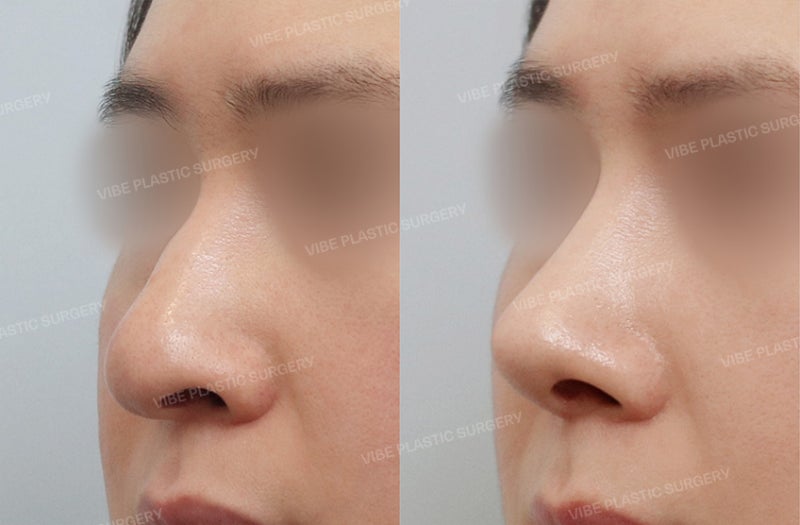
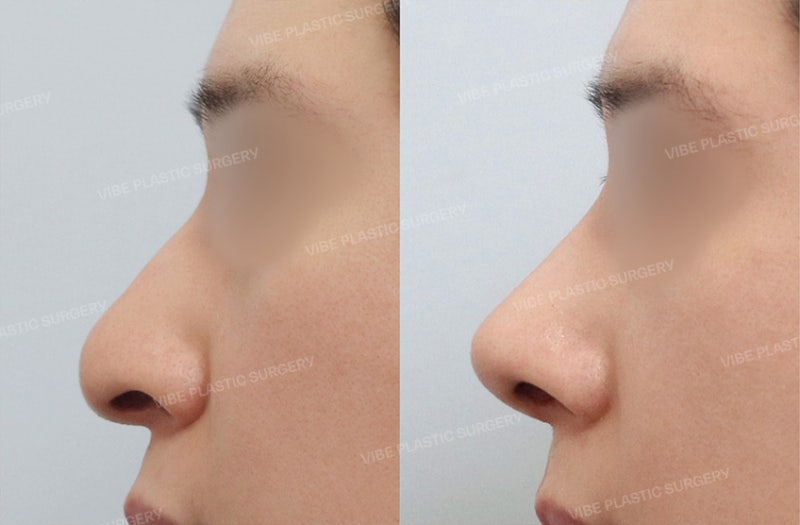
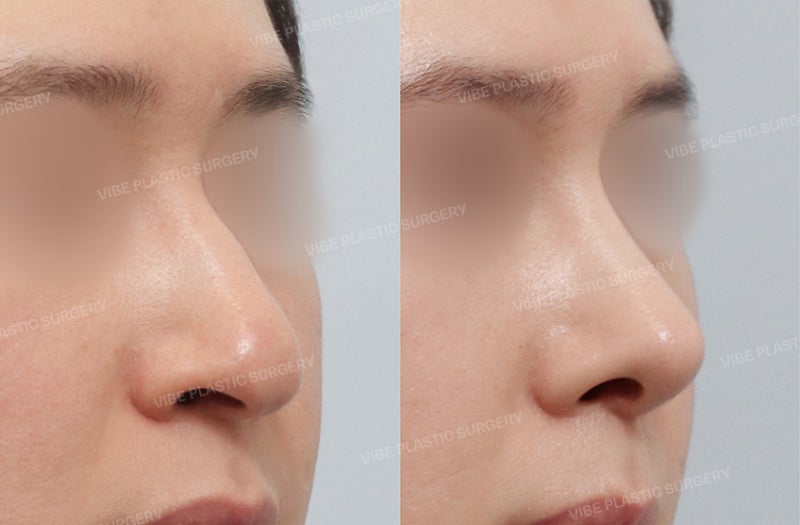
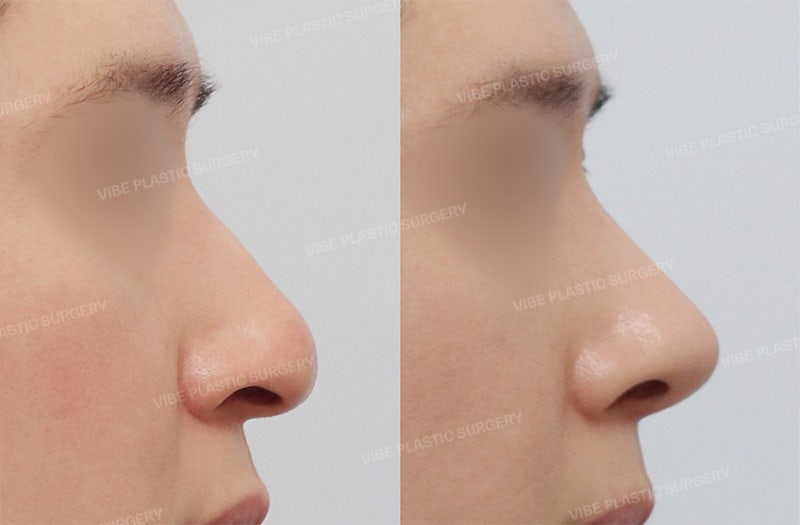
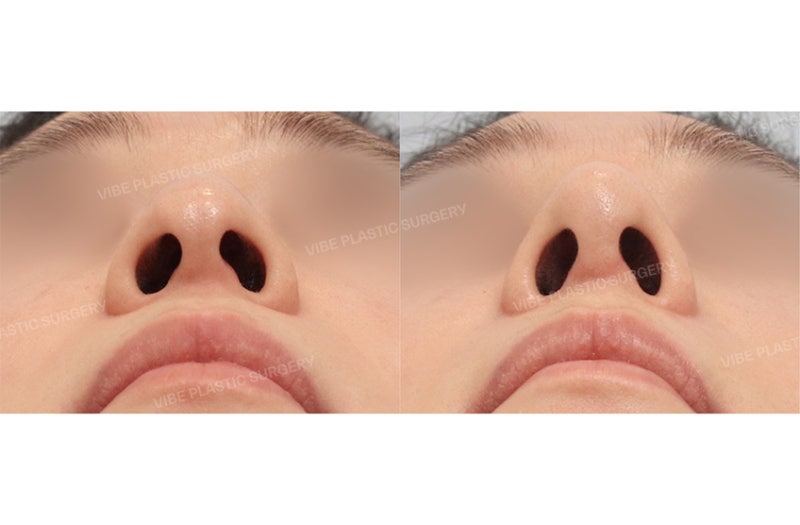
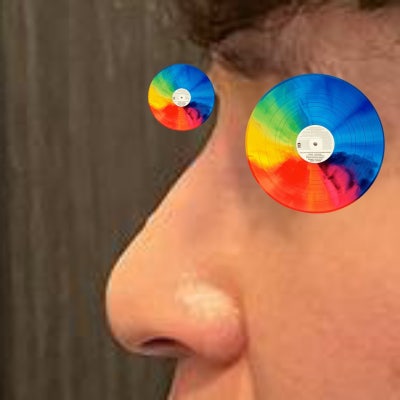
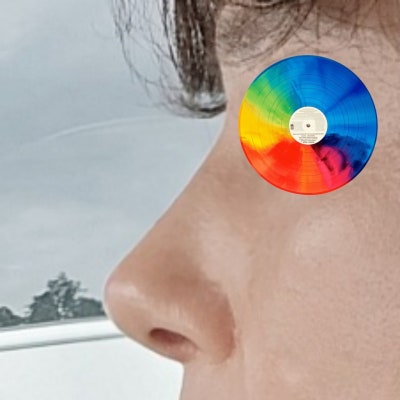
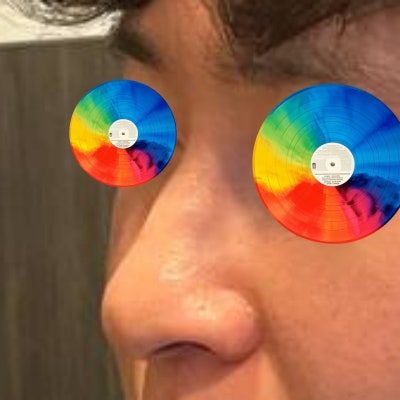
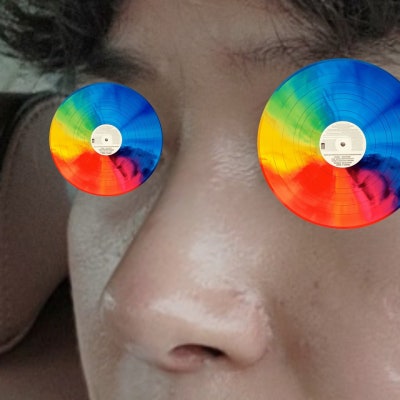
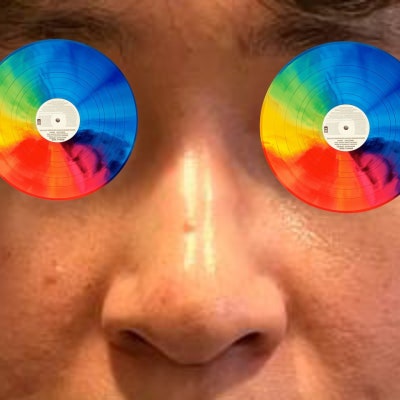

From a Crooked Profile to a Masculine, Straight Nasal Line!
Following surgery, the noticeably crooked nasal alignment was completely straightened,
yielding a far cleaner, more balanced, and poised facial impression.
Male rhinoplasty should focus on producing a natural, masculine line in balance with the rest of the facial features, rather than arbitrarily raising the height.
For this patient, instead of an overly high or artificial appearance, we aimed for:
A straight, well-aligned bridge
A firm, stable nasal tip
A confident, masculine straight profile
A height that blends seamlessly with the whole face
As a result, we successfully corrected the structural deviation while delivering a crisp, sophisticated, and distinctly masculine nasal line.
Crooked Nose Correction Is Never Just About Raising the Bridge!
The underlying etiology and degree of deviation differ from patient to patient.
Particularly when severe septal deviation is involved,
the surgeon must look beyond surface aesthetics, accurately evaluate the internal architecture, and deploy sufficient structural cartilage to realign the framework.
As demonstrated in this case, autologous costal cartilage
is an exceptionally reliable and effective graft material for correcting complex septal deviations and rebuilding foundational support.
Furthermore, when an adequate supply of autologous cartilage is available,
it is entirely possible to create a durable, naturally contoured bridge and tip without synthetic implants like silicone.
At VIBE Plastic Surgery, we perform comprehensive anatomical diagnostics tailored to each patient's unique structural anatomy,
delivering customized rhinoplasty that addresses internal airway function, structural integrity, and overall facial harmony—not just nasal height.
If you are struggling with a severely crooked nose, chronic nasal congestion, rhinitis, or concerns regarding artificial implants,
undergoing a precise diagnosis and formulating a customized surgical plan is the vital first step.
Frequently Asked Questions
Why is autologous costal cartilage necessary for crooked nose correction?
It is necessary when the nasal septum is severely deviated and native septal cartilage lacks the volume or rigidity to provide stable support. Autologous costal cartilage offers an abundant supply and superior structural strength, making it ideal for stably reconstructing a severely distorted internal nasal frame.
Is autologous costal cartilage mandatory for all rhinoplasties?
No, costal cartilage is not required for every rhinoplasty. Depending on the patient's anatomical condition and surgical goals, septal or auricular (ear) cartilage may suffice. However, rib cartilage is especially advantageous when correcting severe deviations or when robust support is critical.
Can rhinoplasty be performed without artificial implants such as silicone?
Yes, it is entirely possible using only the patient's own cartilage. Through implant-free (no-implant) rhinoplasty, the nasal framework and bridge are sculpted entirely from autologous tissue (such as costal cartilage), delivering stable, natural-looking results without the risks of synthetic materials.
Can crooked nose correction and nasal congestion/rhinitis surgery be done at the same time?
Yes, aesthetic realignment and functional airway surgery can be performed simultaneously. Because a severely deviated septum causes both external curvature and airway obstruction, combining functional septoplasty with cosmetic rhinoplasty corrects both appearance and breathing in a single operation.