2026-05-25
Short Nose Rhinoplasty (+ Forehead & Chin Fat Grafting)
A case study of a female patient in her 30s who underwent short nose correction, bulbous nose refinement, and facial fat grafting for a more defined profile.
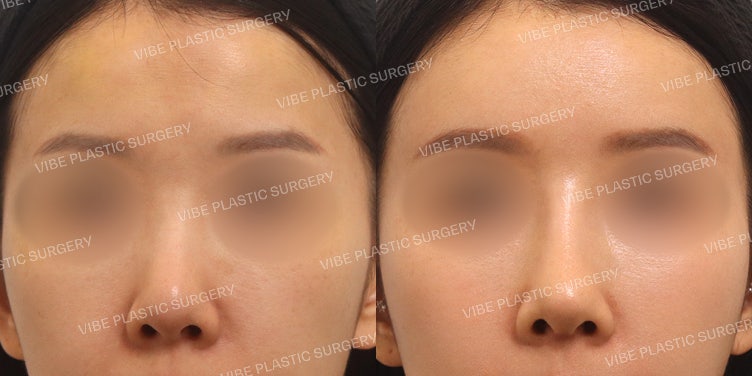
* Basic Information
# Female in her 30s
# Short and upturned nose
# Bulbous nasal tip
# History of multiple nose filler procedures (+)
* Consultation
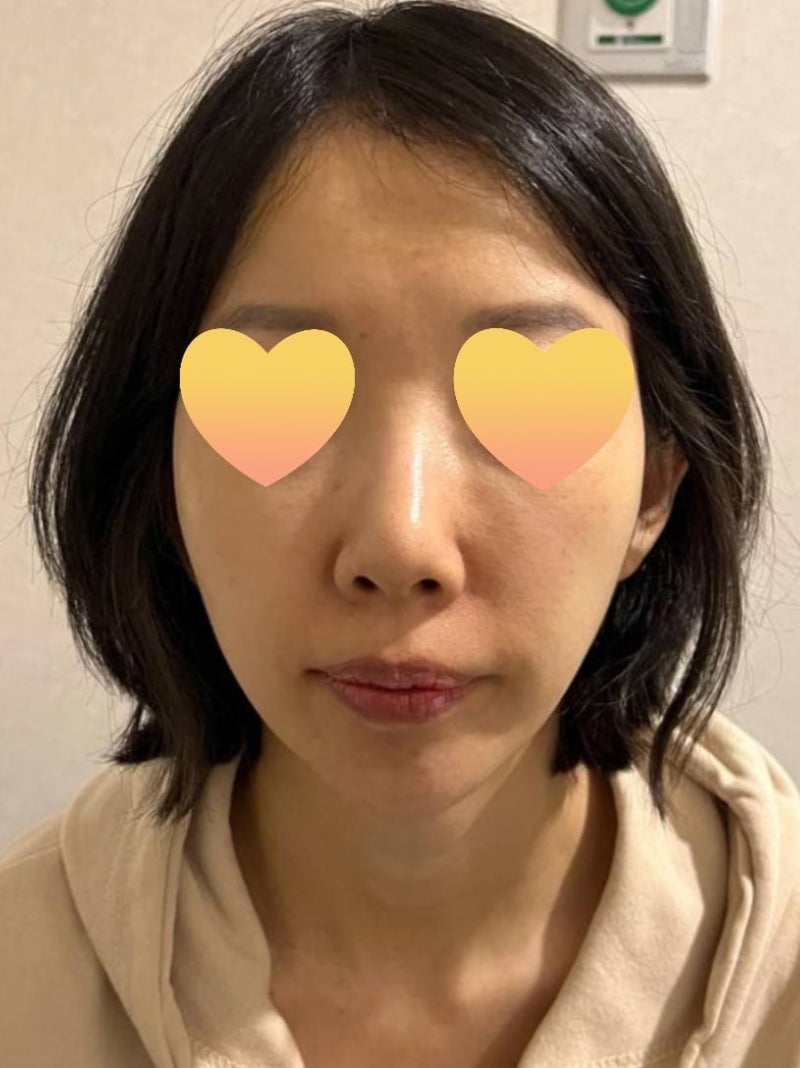
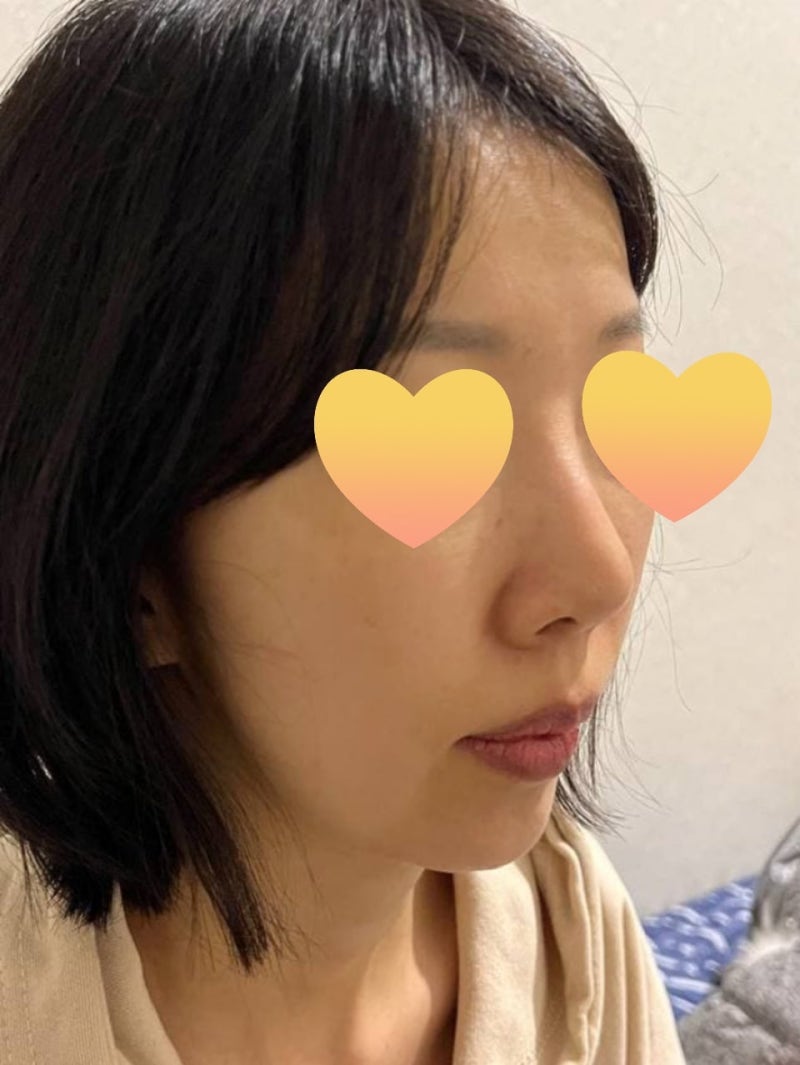
# The patient visited to improve her low nasal bridge and short nasal tip.
# We also needed to address the blunt impression caused by the bulbous nose, right?
# While raising the nose, we planned to create a smooth, voluminous face shape through forehead fat grafting. Since she had a slight receding chin tendency, we also planned for the chin tip.
* Surgical Plan
1. Dissolve existing nose fillers
2. Rhinoplasty for the bridge (Silicone implant)
3. Tip-plasty
- Septal cartilage & Ear cartilage (Columellar strut/extension graft)
- Correction of short nose and bulbous tip
4. Fat grafting (Forehead, temples, chin tip)
* Post-operative Progress
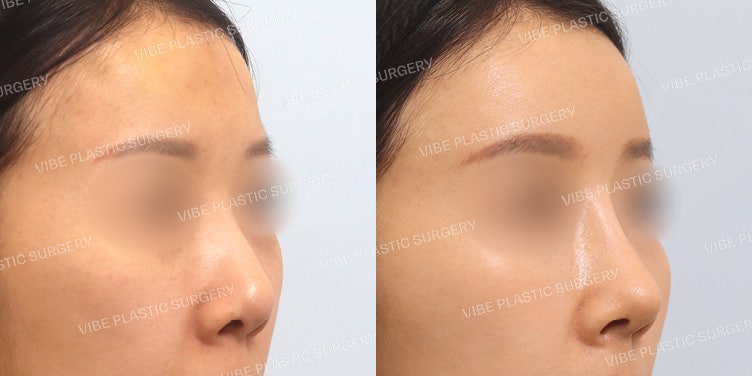
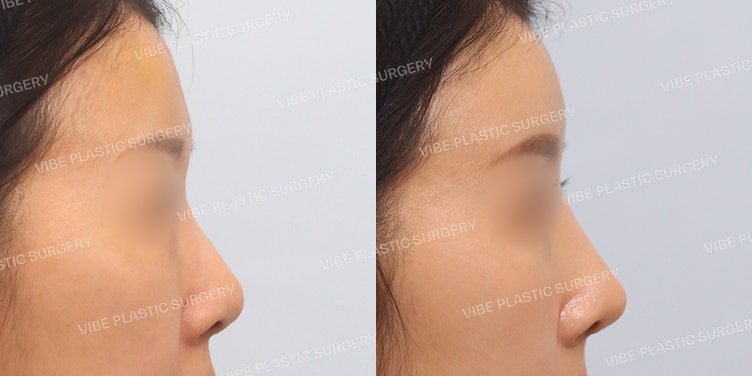
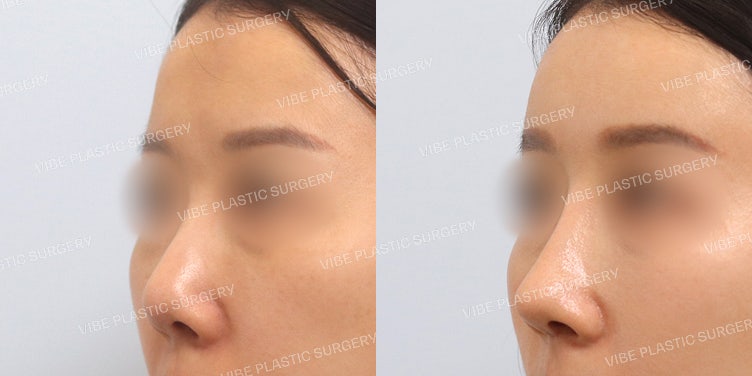
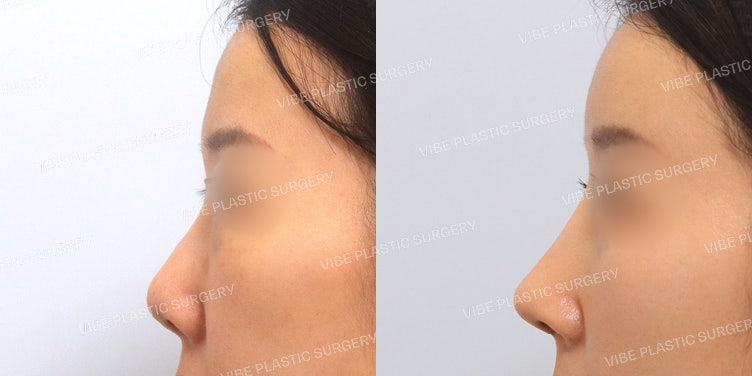
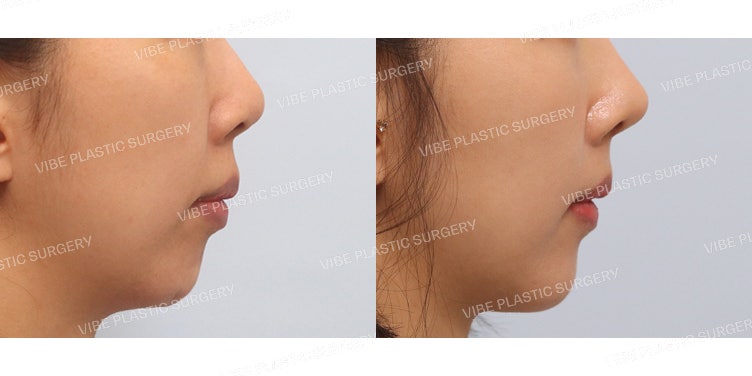
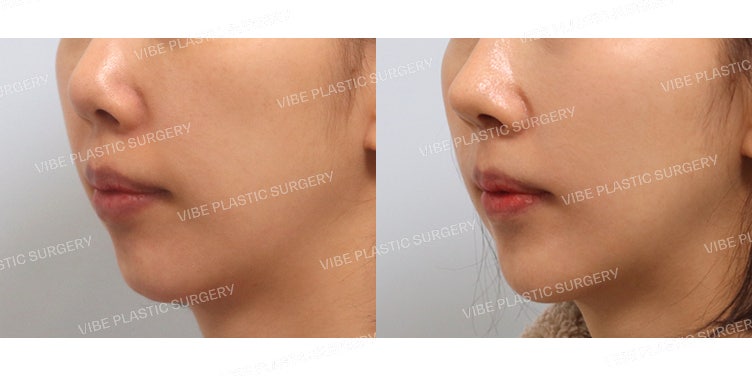
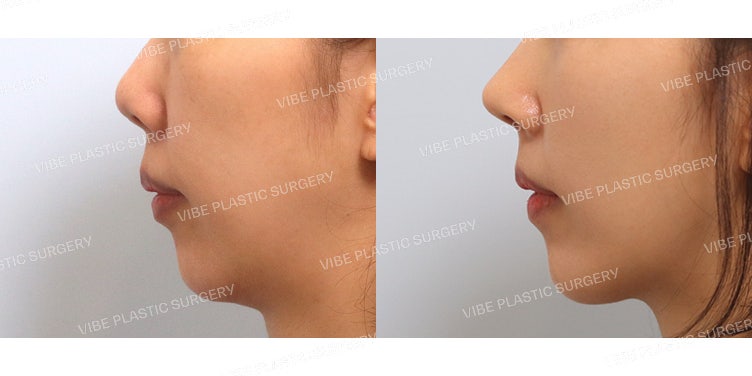
1. By transforming the short nasal tip into a sleek, extended bridge line, we added three-dimensional depth to a previously flat-looking face.
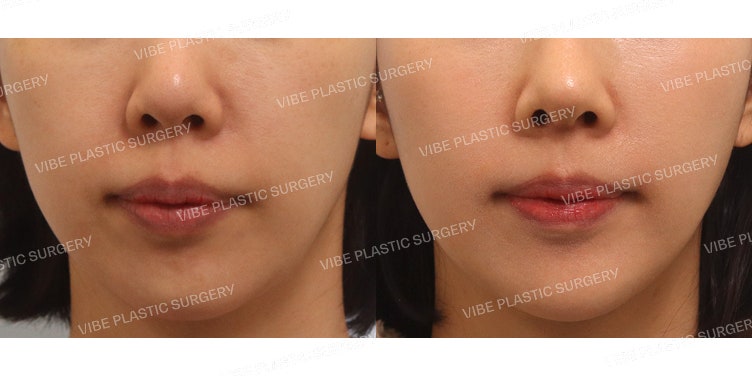
2. We removed part of the blunt tissue at the tip while elevating it; you can see the bulbous nose was effectively corrected. The overall impression has become very sophisticated :)
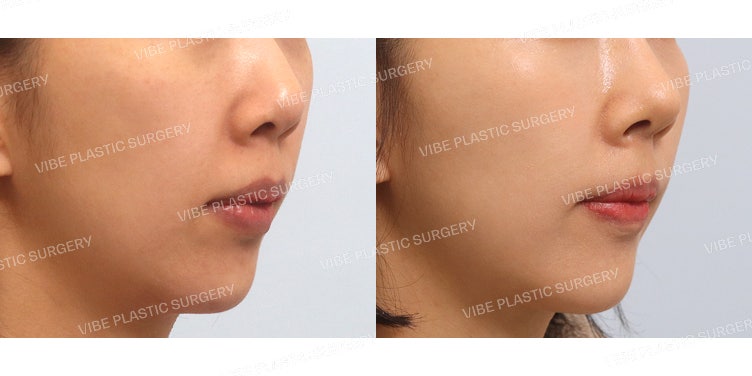
3. Simultaneously adding volume to the forehead and chin tip resulted in a much more elegant and high-end facial profile.
4. When planning rhinoplasty, you shouldn’t just look at the nose alone, but the entire line connecting the forehead, nose, and chin.
* Key Points
1. To correct a short nose, 1) sufficient dissection of skin and cartilage and 2) the formation of a sturdy support structure are essential. Cartilage is held together by very tough ligaments, much like glue. For short nose correction, it is vital to sufficiently release these ligaments and then create a firm support to prevent the nose from returning to its original position.
2. For a ‘sturdy support,’ think of a camera tripod. In cases like this short nose surgery, the downward extending force and the upward lifting vector of the tip meet to create a solid framework!


Consultations and surgeries should be performed by a board-certified plastic surgeon!
Wishing you health and beauty today :)
Right Thinking, Right Plastic Surgery – Dr. Yoo Young-moon
Complications such as bleeding, inflammation, infection, and asymmetry may occur after surgery depending on the individual, and caution is required.
Frequently Asked Questions
How is short nose rhinoplasty performed?
Short nose rhinoplasty is performed by sufficiently dissecting the skin and cartilage, then forming a strong support structure. Specifically, after releasing the tough ligaments between the cartilages, a robust framework is created where the downward and upward forces on the nasal tip are balanced, thereby correcting the nose.
What materials are used for the nasal tip during rhinoplasty?
In this case, septal cartilage and ear cartilage were used for nasal tip rhinoplasty. By using these cartilages, the columella can be extended, and a short nose and a blunt, bulbous nose can be corrected to create a sharp and refined nasal tip line.
Why is fat grafting performed along with rhinoplasty?
Fat grafting is performed along with rhinoplasty because we consider the overall facial line extending from the forehead to the nose and chin, not just the nose itself. By adding volume to the forehead and chin with fat grafting, the overall three-dimensionality and harmony of the face can be improved, creating a more sophisticated impression.
Is rhinoplasty possible even if I have experience with nose filler procedures?
Yes, it is possible. The patient in this case also had several nose filler procedures, and the first step in the surgical plan was to dissolve the nose filler. Afterwards, rhinoplasty of the nasal bridge and tip was performed to achieve the desired results.
Can a bulbous nose be corrected with rhinoplasty?
Yes, it can be corrected. In this case, the bulbous nose was sufficiently corrected by removing some of the blunt-looking nasal tip tissue and performing nasal tip rhinoplasty to raise it sharply. This resulted in an overall more refined impression.