2026-05-25
3. Rhinoplasty Surgical Methods
A detailed guide to rhinoplasty surgical techniques, including incision, cartilage harvesting, suturing, and skeletal reshaping by Dr. Young-moon Yoo.
Hello.
I am Young-moon Yoo, the Chief Representative Surgeon at VIBE Plastic Surgery.
In my previous posts, we looked at the basic ‘anatomical knowledge’ required for rhinoplasty
and how to establish a ‘pre-operative plan’.
Today, we will take a look at how the surgery proceeds based on a well-established pre-operative plan... specifically, the detailed methods of rhinoplasty. ^^
1. Incision and Dissection
(1) Columellar Incision
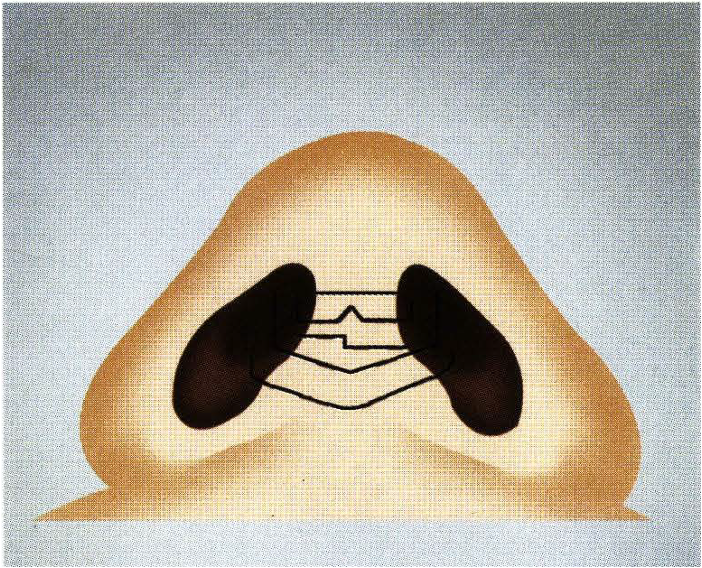
Incisions are made in various shapes as shown in the figure above. Usually, the shortest area is selected, and it is better to make a W or V-shaped incision rather than a straight line to minimize scarring.
(2) Dissection
: For the cartilaginous area, subperichondrial dissection is performed. However, when correcting a bulbous nose, some soft tissue may be intentionally left attached during dissection and then removed from the cartilage later.
: For the nasal bone area, subperiosteal dissection is performed. This ensures that the implant is fixed by the periosteum and does not shift easily.
2. Cartilage Reshaping
(1) Cartilage Harvesting
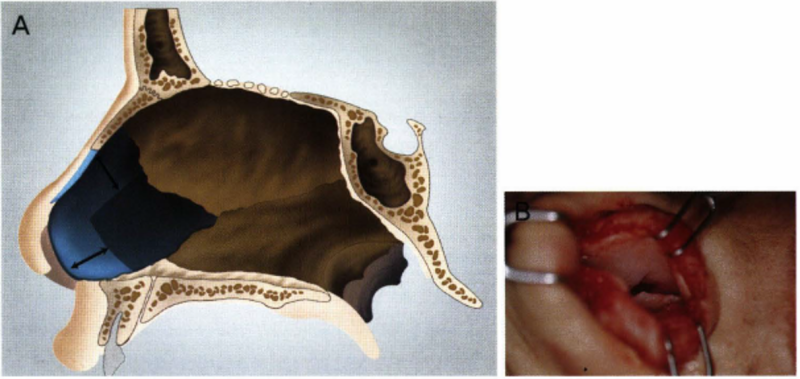
- Septal Cartilage: This is the cartilage that serves as the central pillar of the nose. Therefore, it is crucial to harvest the cartilage while leaving an adequate L-strut (10–15mm). Harvesting too much can cause the nasal pillar to collapse, leading to complications such as a ‘saddle nose deformity’.
- Ear Cartilage: When harvesting ear cartilage, it is important to do so without causing functional or aesthetic issues.
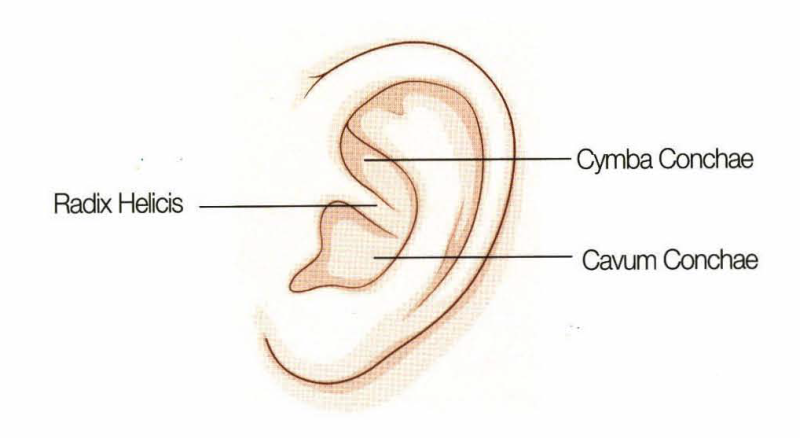
The cymba concha is long and suitable for use as a support (strut), while the cavum concha is thick and short, making it better suited for onlay grafts or shield grafts rather than support.
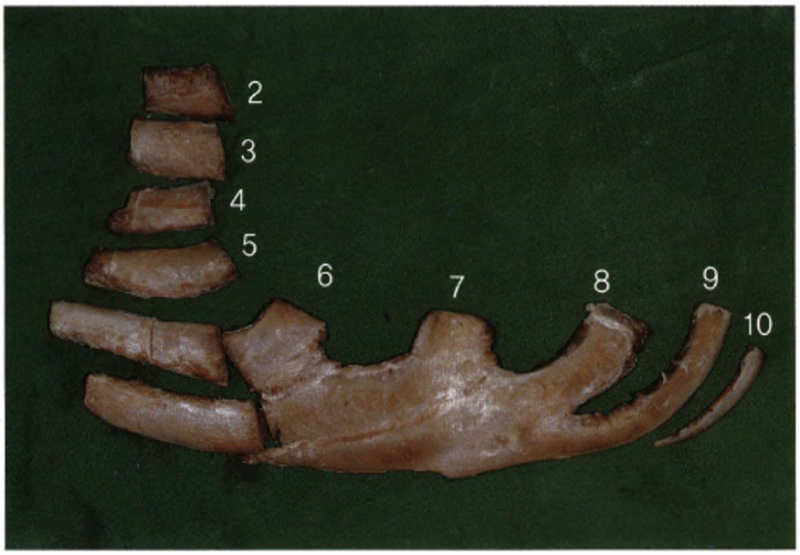
- Rib Cartilage: When harvesting autologous rib cartilage, it is mainly taken from the 6th, 7th, or 8th rib cartilage areas.
(2) Cartilage Suturing (Tying)
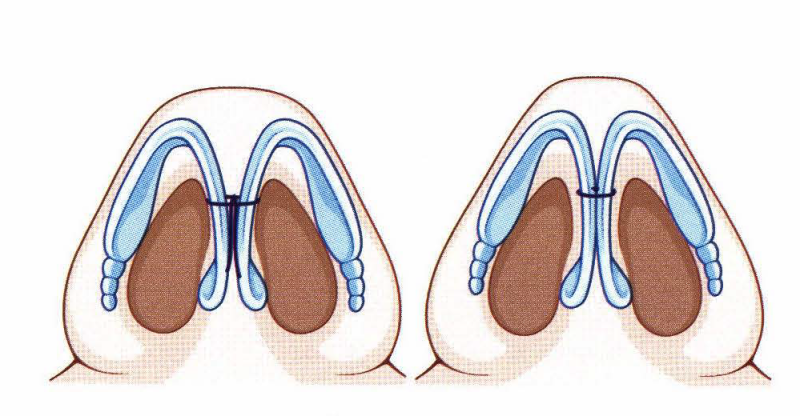
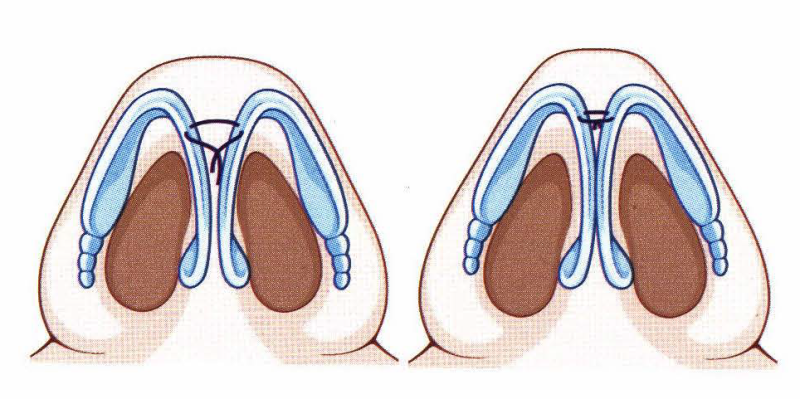
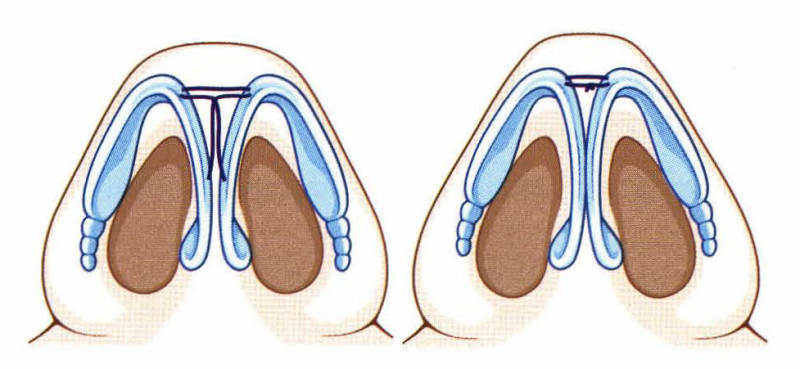
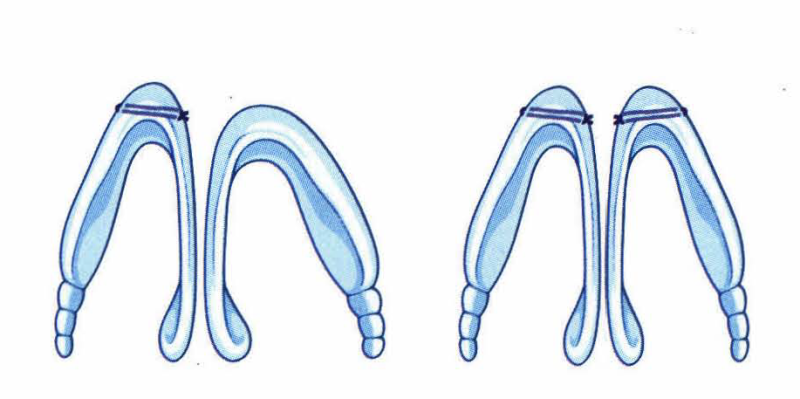
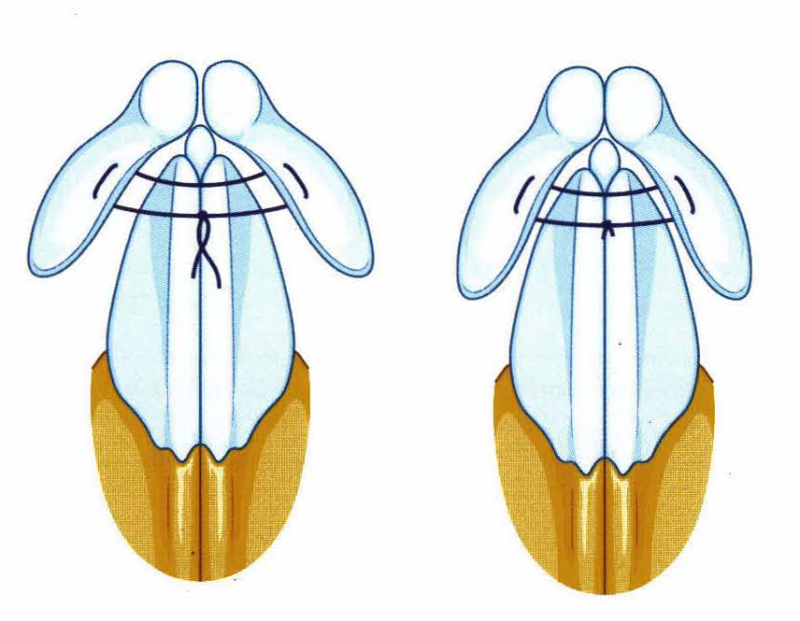
- It is important to create the desired shape and angle by properly tying the spread-out cartilage at the tip of the nose.
- Various suturing methods exist as follows, and it is important to select the appropriate method for each need.
(3) Cartilage Grafting
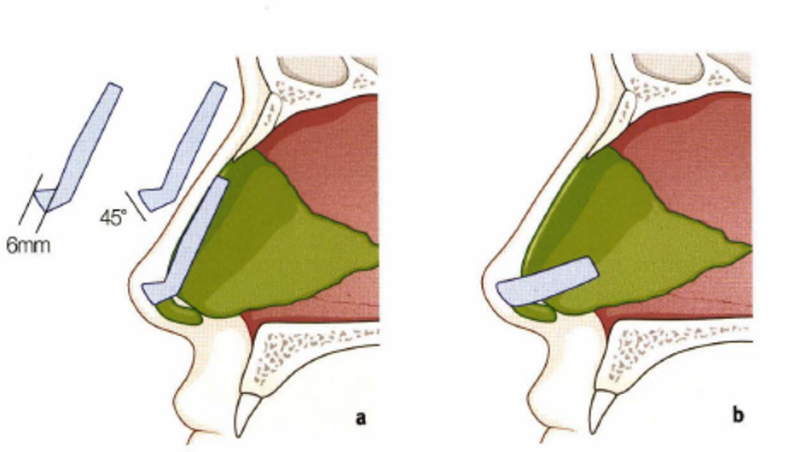
- Septal Extension Graft: This is the most fundamental technique for raising the nasal tip. A sturdy pillar must be created to maintain height and achieve the desired elevation.
- Columellar Strut Graft: If the nasal tip cartilage is well-developed, a strut graft alone can provide sufficient strength.
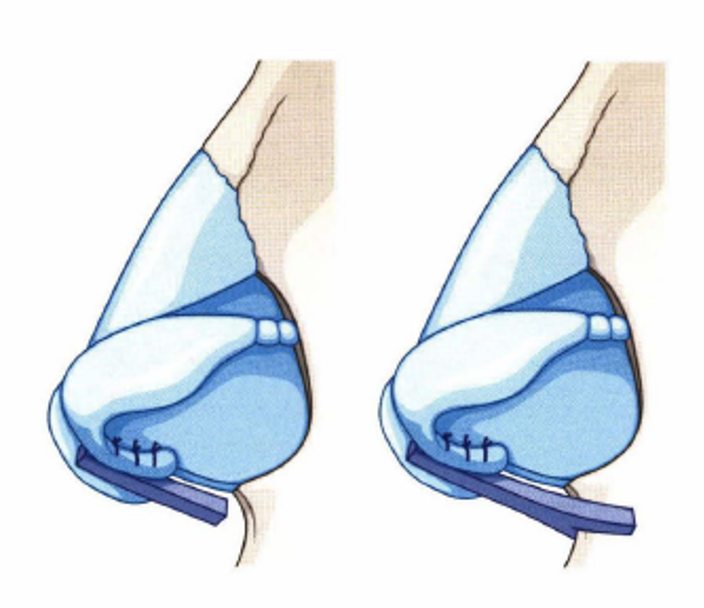
- Nasal Tip Onlay Graft: A technique used to create a natural nasal tip shape, allowing for additional height and angle adjustments.
- Shield Graft: Necessary to prevent the nasal tip from appearing too sharply straight.
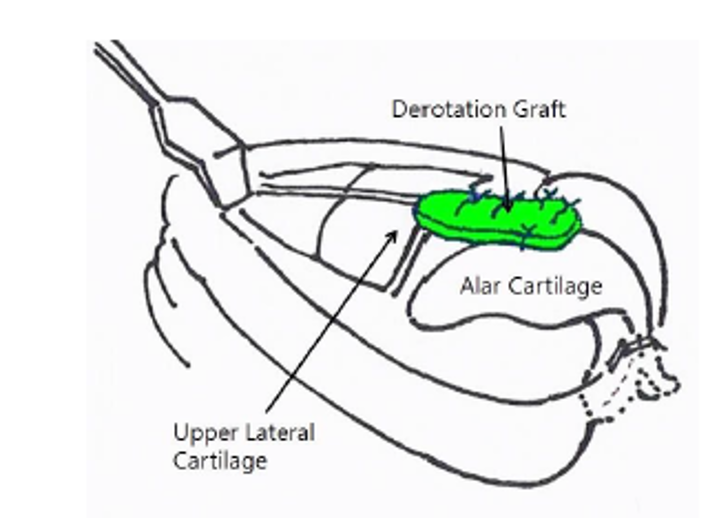
- Derotation Graft: Used to extend the length of the nasal tip when correcting a short nose.
3. Skeletal Reshaping
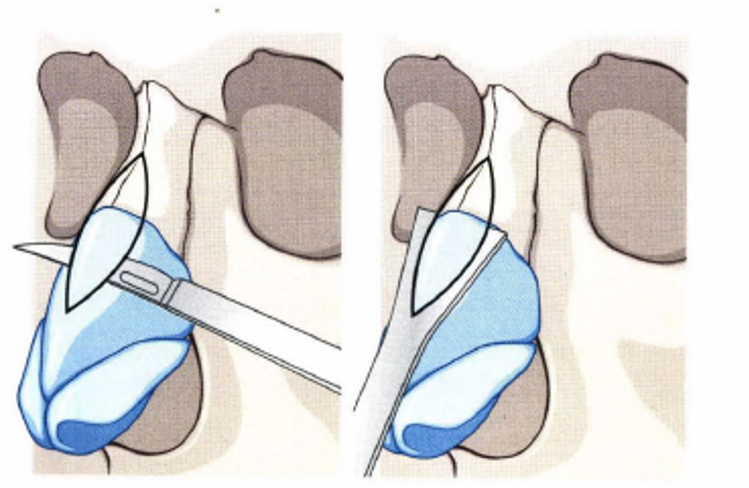
- Hump Reduction: The hump is removed using tools such as blades, scissors, or osteotomes, or it may be filed down slightly. Care must be taken because removing too much of the hump can create an opening into the nasal cavity.
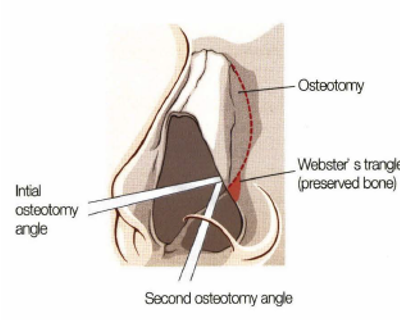
- Osteotomy: If the bridge of the nose is wide, crooked, or asymmetrical, it is adjusted through osteotomy.
4. Suturing
- The surgery is concluded by carefully suturing the columella and the inside of the nose to ensure no visible scarring remains.
5. Dressing
- Taping plays an important role in preventing blood from pooling inside the nose by providing compression.
- Using a splint for fixation is also crucial to prevent the implant from shifting.
Today, we looked at rhinoplasty methods in more detail. In actual surgery, you can think of it as the surgeon’s unique experience and technique being applied on top of these basic procedures!
I hope this was helpful for those interested in rhinoplasty, and I will return with more useful information next time. ^^
Frequently Asked Questions
How is the incision made during nose surgery?
Yes, incisions are made in various shapes in the columella area during nose surgery. It is important to choose the shortest part and make an incision in a W or V shape rather than a straight line to minimize scarring.
What types of cartilage are used in rhinoplasty?
For rhinoplasty, septal cartilage, ear cartilage, and costal cartilage are mainly used. Each cartilage is suitably utilized to create a nasal support or shape, depending on the harvest site and characteristics.
What should be considered when harvesting septal cartilage?
Yes, when harvesting septal cartilage, it is important to leave an appropriate amount of the L-strut, which acts as the central pillar of the nose, about 10-15mm. If too much is harvested, the nasal pillar may collapse, leading to saddle nose deformity.
What cartilage grafting methods are used for tip plasty?
Various cartilage grafting techniques are used for tip plasty, including septal extension graft, columellar strut graft, tip onlay graft, shield graft, and derotation graft for short nose correction. These contribute to creating the desired height and shape.
How is a hooked nose corrected?
A hooked nose is corrected by removing or filing down the hump using a scalpel, scissors, or osteotome. Care must be taken not to connect to the nasal cavity, and it is important not to remove too much.
How can I prevent the implant from moving after nose surgery?
Yes, in the nasal bone area, subperiosteal dissection is performed so that the implant is fixed by the periosteum. In addition, at the final stage of surgery, a splint is used for fixation to prevent the implant from easily moving.